How Albury City Council Found a Smart and Sustainable Way to Recycle Cables

About
Albury City Council manages the infrastructure that keeps the regional city’s water and wastewater running. While managing the electricity mains upgrade for one Water Pump Station site (WPS 3), they ran into some challenges.
The challenge
As a public organisation, governance policies require that the council accounts for where their waste ends up. Traditional scrap merchants couldn’t provide the transparency. The weight of the cables were kept a secret, values were unclear, and when it did return, it landed in a general water fund account.
Cable waste also created a security problem. Material accumulated on-site until there was enough to justify the trip. Sites got broken into regularly, with scrap cable disappearing.
Australian local governments need accurate asset disposal records as part of their governance policies. Councils make funding decisions based on this data, so vague handshake deals simply don’t work.
RecyCable was the exact solution that they needed, a wholesaler program Lecky’s runs in partnership with JR Hammer.
Finding the right solution
Albury City Council had tried multiple solutions over the years:
Scrap merchants: Large cables went to a local scrap operation. The merchants didn’t share detailed weight or pricing information. Council staff couldn’t verify if full value returned, and the money that did come back landed in a general water fund rather than the specific projects.
On-site storage: Cable waste accumulated until there was enough to justify the trip. Sites got broken into regularly. Scrap cable disappeared along with other equipment.
Each method had the same limitation: no clear traceability, no documentation, and no way to connect value back to the work that generated it.
Working with the electrical wholesaler: Lecky’s Electricals
Albury City Council already worked closely with Lecky’s, one of their local electrical wholesalers. The council’s electrical team members often visited the Lecky’s Albury branch to pick up supplies for active projects.
Marty, Lecky’s Business Development and Assistant Manager, saw the fit. He connected the council’s Electrical Supervisor to RecyCable.
Daily drop-offs, secure bins, full documentation
The new setup simplified things at every step:
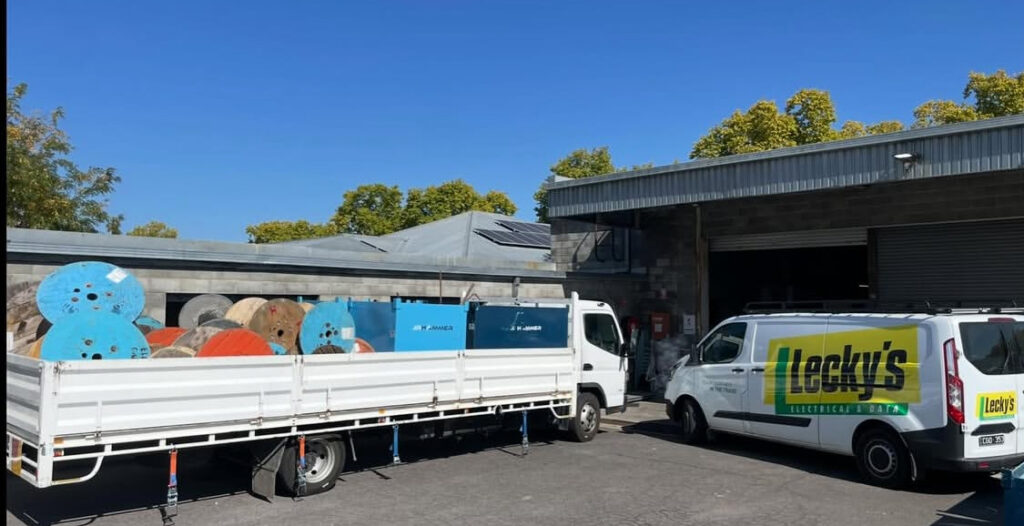
Drop-offs during supply runs: Council staff were already at Lecky’s picking up materials. Now they drop scrap cable during the same trip. No extra runs, no accumulation on-site and no disruption to project schedules.
JR Hammer-provided bins: Lockable bins store cables securely. When full, we also arrange collection directly from the site.
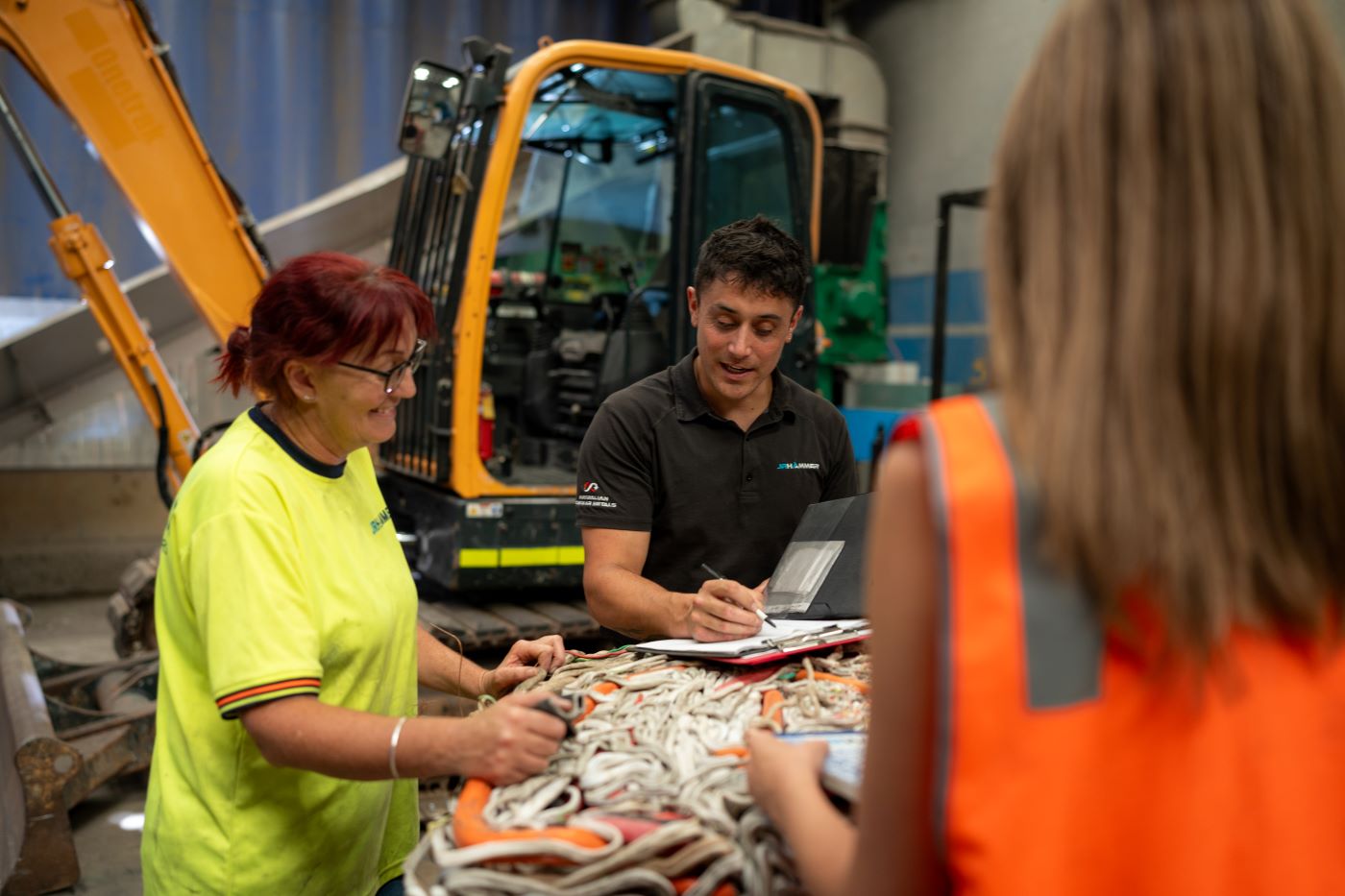
Certificates and traceability: JR Hammer weighs the material, issues certificates, and provides complete documentation to support audit requirements and ensures that the council can confidently report on asset disposal.
Value tied to projects: JR Hammer pays Lecky’s for the collected cable. Lecky’s applies the store credit to the council’s account, it can then be used for electrical supplies, directly offsetting project costs.
Scrap merchants can’t replicate this. No certificates. No formal traceability. No systems to document where the waste ends up and where the value goes.
Test case: the water pump station upgrade
A test initially, using RecyCable, was a great success for the WPS 3 project! Nearly $9,000 came off the capital cost tied directly to that project. A major saving.
In addition, here were five other benefits the council received from moving away from scrap merchants:
Convenience: Drop-offs happen during existing supply runs. No separate trips, no operational disruption.
Traceability: Certificates and documentation that meet governance standards and support evidence-based budget decisions.
Project-specific value: Timely store credits offset capital costs on the projects generating the scrap.
Eliminated theft: Daily removal means no accumulation, no security risk, no losses.
Stronger partnerships: Lecky’s added measurable value to an existing supplier relationship. They made margin on the recycled copper.
What the electrical supervisor had to say:
“This copper scrap initiative through Lecky’s has offered us the opportunity to do two things, quantify the value of scrapping copper with full transparency AND direct those values against the upgrade projects they have been pulled from. The last large bin was my big litmus test for this initiative, and I have been thrilled with how it went. Through the Lecky’s innovation, I was able to knock nearly $9k off the capital cost of the electricity mains upgrade for our major raw water pump station.”
What this means for other regional councils
Regional councils face the same constraints Albury did: asset accountability, theft, governance requirements, and revenue traceability.
Traditional scrap-for-cash doesn’t solve these.
For councils committed to circular economy principles and responsible resource management, RecyCable offers a workable model with the right partners in place. The system depends on an existing, trusted supplier relationship (like Albury City Council had with Lecky’s) and a recycling partner that understands documentation requirements (JR Hammer).
If your council’s dealing with the same headaches, we built RecyCable to solve exactly these problems. Talk to us today about setting up a system that fits your projects.