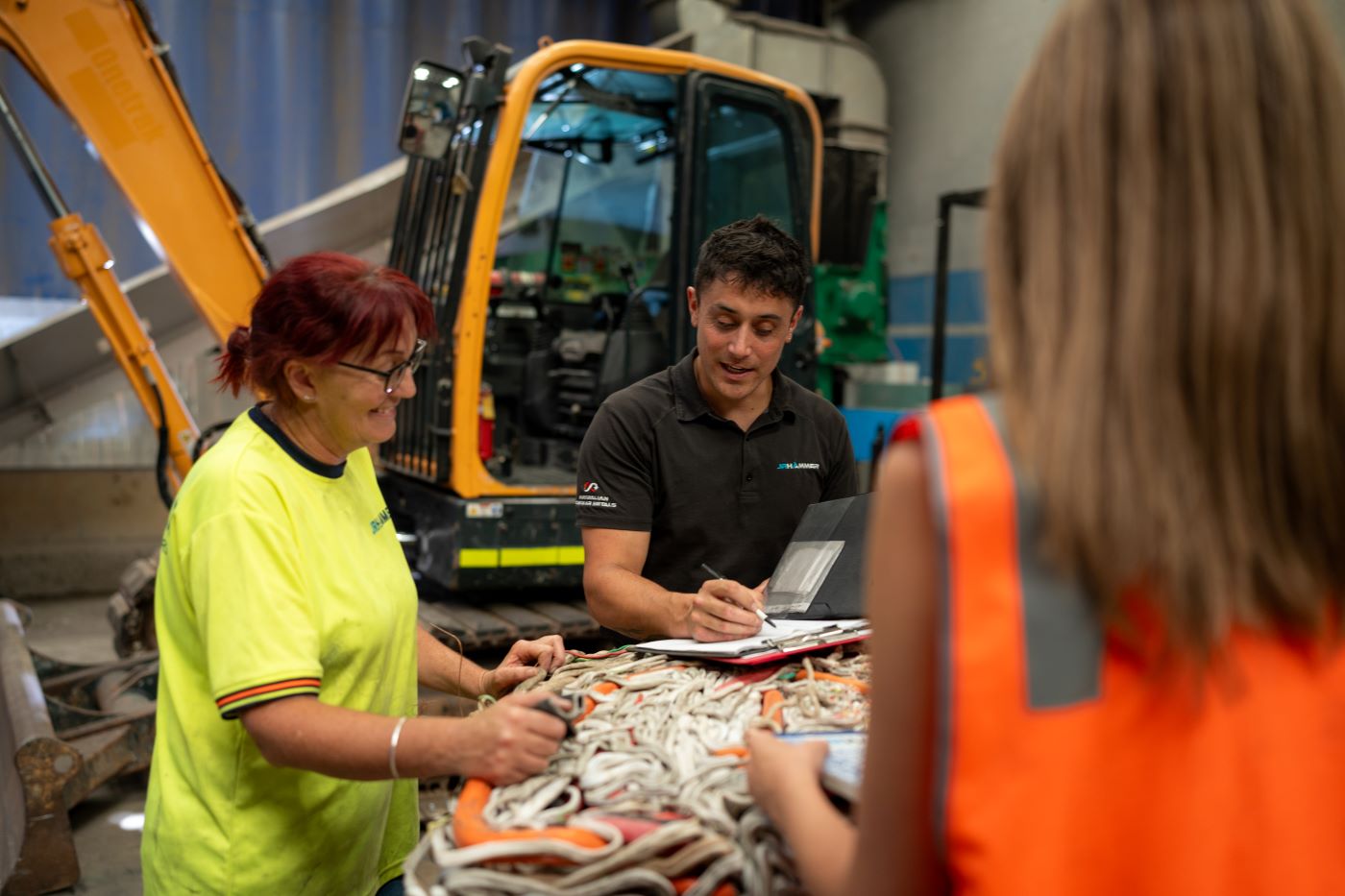
Illegal Scrap-for-Cash – A Liability Contractors Can’t Afford
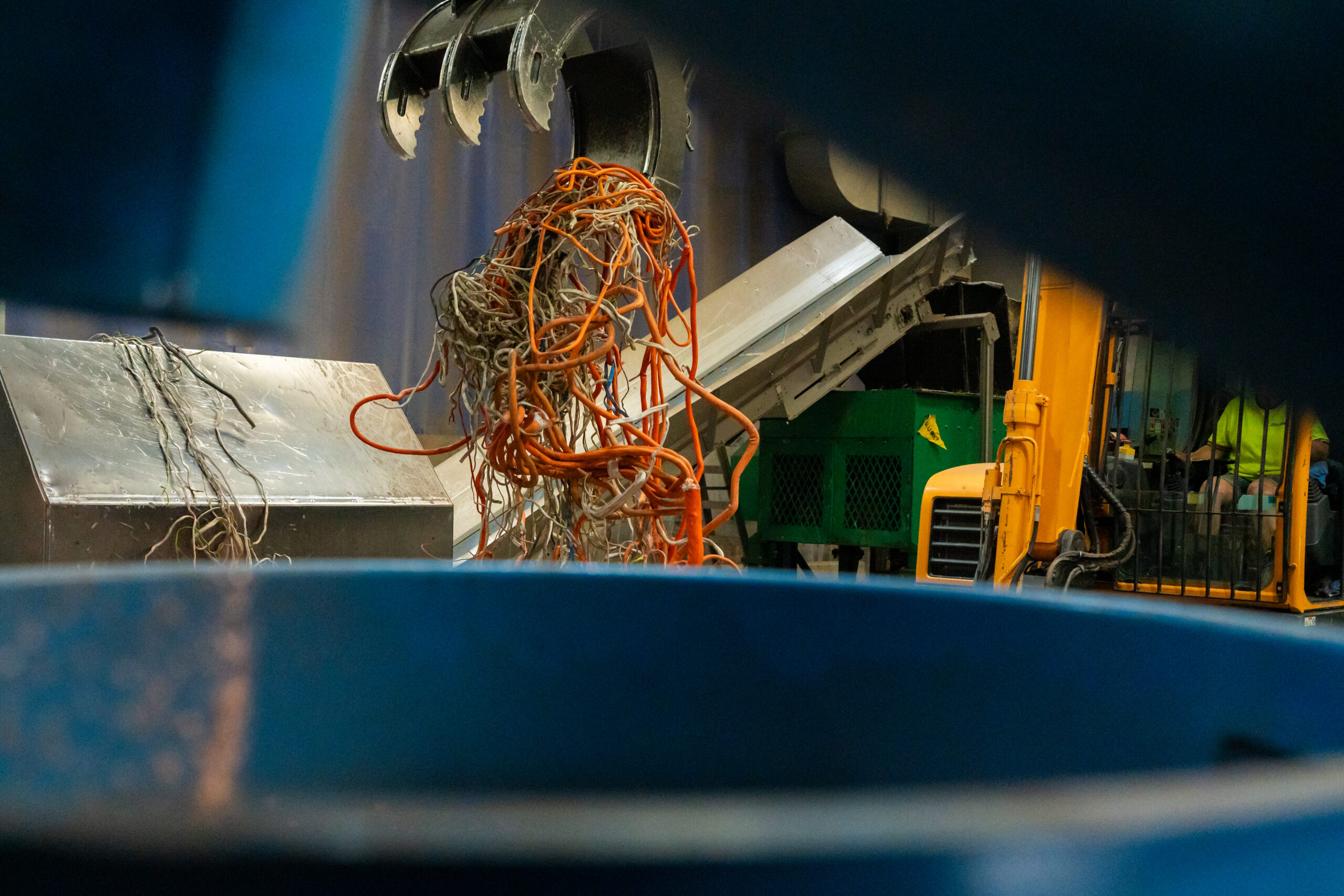
Electrical contractors work under constant pressure with fast turnarounds and tight margins, leaving cable offcuts to pile up on site. Someone in a ute shows up offering cash, other times contractors drop it off to a scrap yard themselves. Waste cleared, money in hand, back to work. Feels like a win!
Except, it’s not anymore. In NSW and VIC, cash payments for scrap metal have been banned since 2016 under the Scrap Metal Industry Act. Queensland and South Australia are tightening controls too, with AUSTRAC flagging scrap metal as high-risk for illicit trade.
Contractors face fines, failed audits, and lost contracts – consequences that far outweigh any short-term convenience. Most don’t even realise that the laws have changed. In truth, they can still make money from cable waste. The approach just needs to line up with current regulations.
What legitimate cable recycling looks like
Programs like RecyCable pay competitive rates in store credits. Contractors drop cable waste at participating wholesalers (Lecky’s or Middy’s) and get instant credit towards their next order. Copper rates match market prices while keeping everything above board.
NSW and VIC law requires electronic payments. No cash transactions. Licensed recyclers use bank transfers or store credits that create the paper trail regulators look for.
Recovery rates determine how much value contractors get back. JR Hammer pulls 90%+ recovery through advanced technology. That’s nearly double the <50% most operators achieve. More recovered material means slightly better returns instead of material heading to landfill.
Documentation comes as the standard. Licensed recyclers provide audit-ready records showing where materials went and what recovery rates were hit.
ESG requirements are also covered. Australia’s new AASB S2 climate disclosure standards kicked in from 2025, requiring traceable waste flows. Proper documentation from licensed recyclers ticks that box.
RecyCable works with existing routines since contractors drop cable waste when they’re already at the wholesaler. No extra storage piles cluttering the site, no materials sitting around as easy theft targets. For larger volumes, JR Hammer provides direct collection services.
| Risk: illegal scrap-for-cash | Reward: RecyCable |
| Cash only, no records | Store credits for the full value of scrap (tax free) + full documentation |
| Mystery operators, unlicensed | Verified facilities, fully licensed |
| ~50% recovery standard | 90+% verified recovery |
| No traceability | Audit-ready paper trail |
| Regulatory risk | Zero compliance risk |

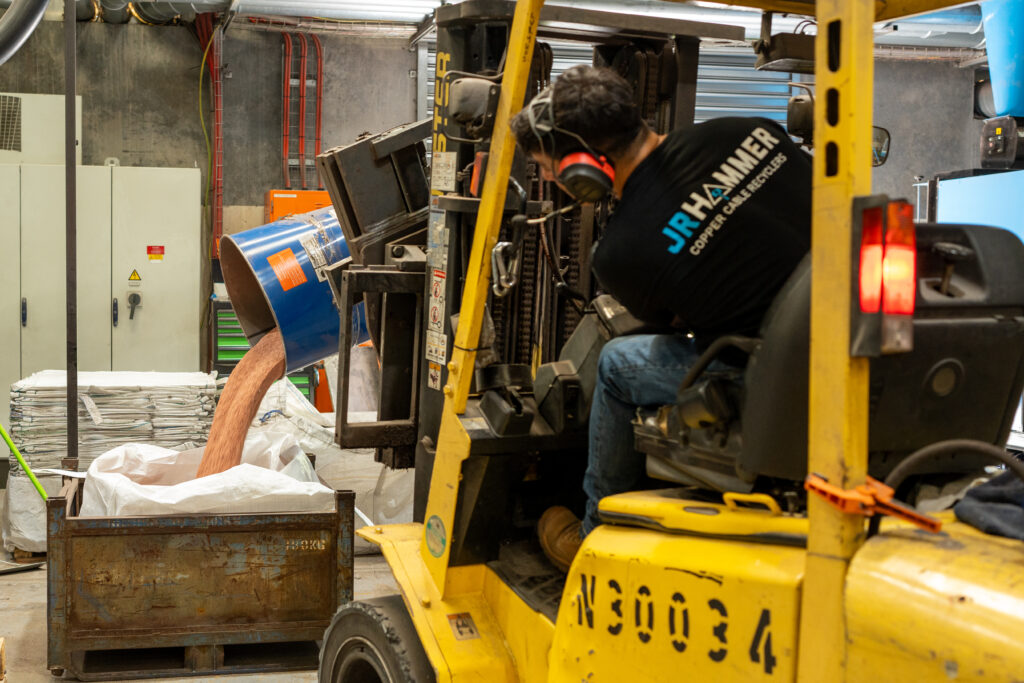
Transparent and responsible cable recycling in action!
What happens without paper trails
Cash deals move fast. Hand over cable waste, get paid, done. Works fine until someone starts asking: where did those materials actually go? Who processed them? What recovery rates did they achieve?
A contractor might walk away with $2,000 cash feeling like they got a decent deal. But without knowing the total weight or verifying current copper rates, that payment could be significantly below market value.
Without documentation, contractors can’t verify anything. That cable waste might’ve gone to a legitimate processor, or it might be sitting in an unlicensed yard somewhere.
- Enforcement is active. In 2023, Queensland’s Operation Sidero resulted in over $500K in fines. Authorities targeted operators with gaps in licensing, documentation, or storage permits. In Victoria, the EPA enforces the Circular Economy Act through infringement notices, enforceable undertakings, and court penalties.
- Assumptions about compliance don’t hold up when regulators come checking. Contractors need verifiable partners with actual credentials.
- Reputation damage outlasts the fine. Getting caught in a compliance issue (even unintentionally) creates headaches that stick. Some contractors in the cash-for-scrap trade may be operating using established habits, unaware there are better and legal options.
- The scale matters. Australia’s black market for scrap metal sits around $500 million a year, driven by copper theft and unregulated deals. That puts pressure on regulators to clean things up, which means more enforcement, more audits, less wriggle room.
How contractors can stay compliant while earning
Contractors should run a quick check before handing over cable waste.
- Start with established programs. Programs like RecyCable, through major wholesalers, removes the guesswork. Fully licensed, documented, and profitable from the moment materials are dropped off.
- Verify credentials when using other operators. Contractors should ask for their ABN, environmental permits, scrap metal dealer registration. Check they’re affiliated with reputable organisations. If they hesitate or can’t provide documentation within 24 hours, find another recycler.
- Keep records. Track cable disposal and recovery rates. If anyone asks where materials went, contractors have answers ready.
- Understand what recovery rates mean. Standard processing is at less than 50% recovery. JR Hammer’s facility runs at 90%+. That gap represents real value – guaranteed market rates returned to contractors (tax-free), while sending less to landfill. Ask potential recyclers for verified rates and proof they can back it up.
- Get documentation that works. Licensed programs provide weight tickets, transaction records, certificates and store credits that integrate directly into accounts.
Getting ahead of change
Australia’s waste management regulations keep tightening. Extended Producer Responsibility (EPR) schemes are rolling out across sectors. Australia’s Product Lifecycle Responsibility Act 2025 shows where policy is headed nationally.
For contractors, the choice is simple: keep using cash-for-scrap and risk compliance issues or switch to licensed recycling and get better commercial returns. JR Hammer’s 90%+ recovery rates mean more value extracted from cable waste – returned as store credits contractors can spend immediately. Plus, 90+% recovery means less waste to landfill – a win-win situation.
If you’re ready to switch to compliant cable recycling, you can find the nearest RecyCable drop-off at Lecky’s or Middy’s, or contact JR Hammer directly for collection options on larger volumes.