Why Only 2% of Australia’s PVC Gets Recycled (And What We’re Doing About It)
Australia only recycles 2% of its PVC annually, one of the lowest rates in the developed world.
Compare that to PET bottles at 37% or HDPE plastics at 20%. PVC, one of the country’s top four consumed polymers, sits at the bottom. Most operators won’t touch it because they can’t or don’t have the capability to process it.
Three problems that stop recyclers cold
5,000 Different Formulations
Around 5,000 PVC formulations exist across Australia. Each has different additives, stabilisers, and plasticisers.
CSIRO’s 2022 research found that “without an adequate understanding of the precise chemical formulation of the feedstock, recycling is challenging.” Recyclers can’t verify pre-ground material. Quality control becomes impossible.
It’s like trying to recycle 5,000 different metals instead of just aluminium.
Rigid and Flexible PVC Don’t Mix
Rigid PVC (pipes, window frames) and flexible PVC (cables, medical tubing) are incompatible. Plasticisers in flexible PVC contaminate rigid applications. This splits an already-tiny market into isolated segments.
Chlorine Content
CSIRO documents that “the chlorine content in PVC makes it a problematic contaminant for other polymer streams.” Standard facilities must completely separate PVC or refuse it. Most choose refusal.
Why Standard Technology Fails
Small volumes kill economics. Rigid PVC is high volume but low weight, and transport costs exceed material value. Victoria’s compact industrial zones make collection marginally viable, but Queensland’s dispersed regions limit the opportunities for PVC recycling.
Standard mechanical recycling produces grey or black output only. It can’t meet virgin material specifications. European sorting technology exists but costs too much for Australian volumes.
How JR Hammer Cracks the Problem
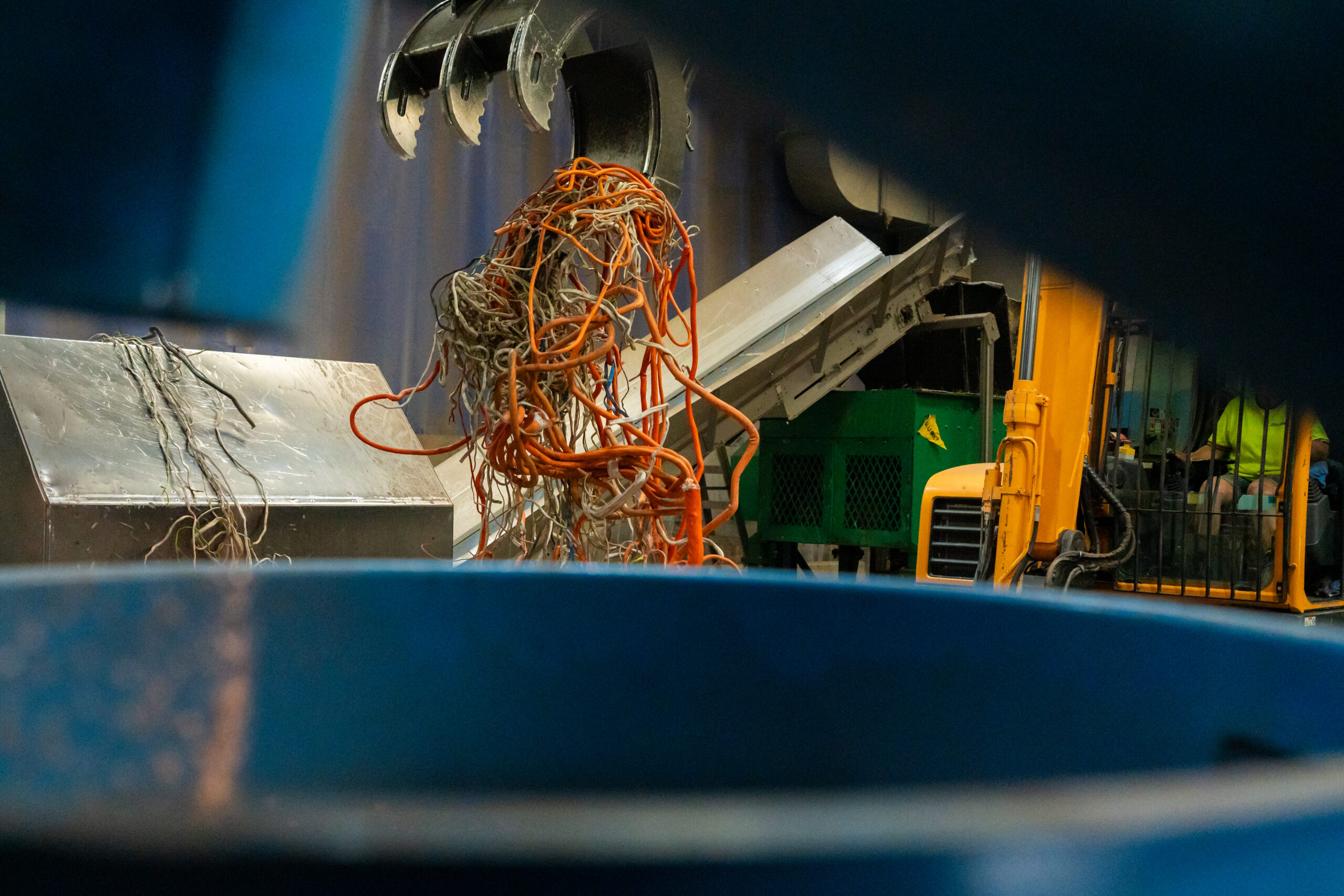
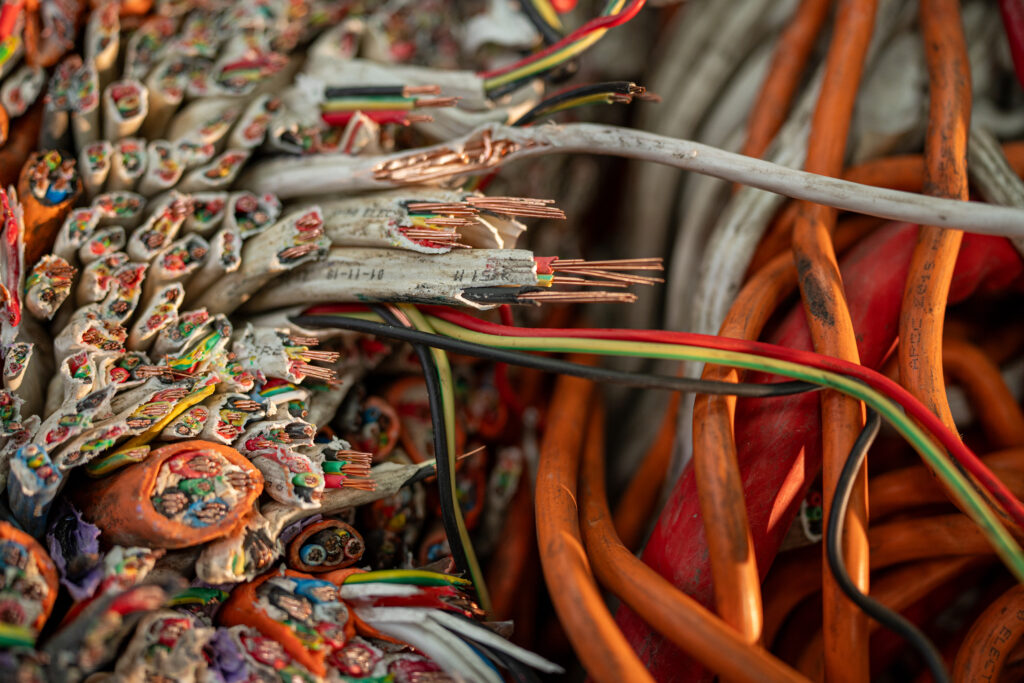
Traditional operators recover copper and aluminium from cables, then landfill the PVC insulation, not knowing there’s still value in the material.
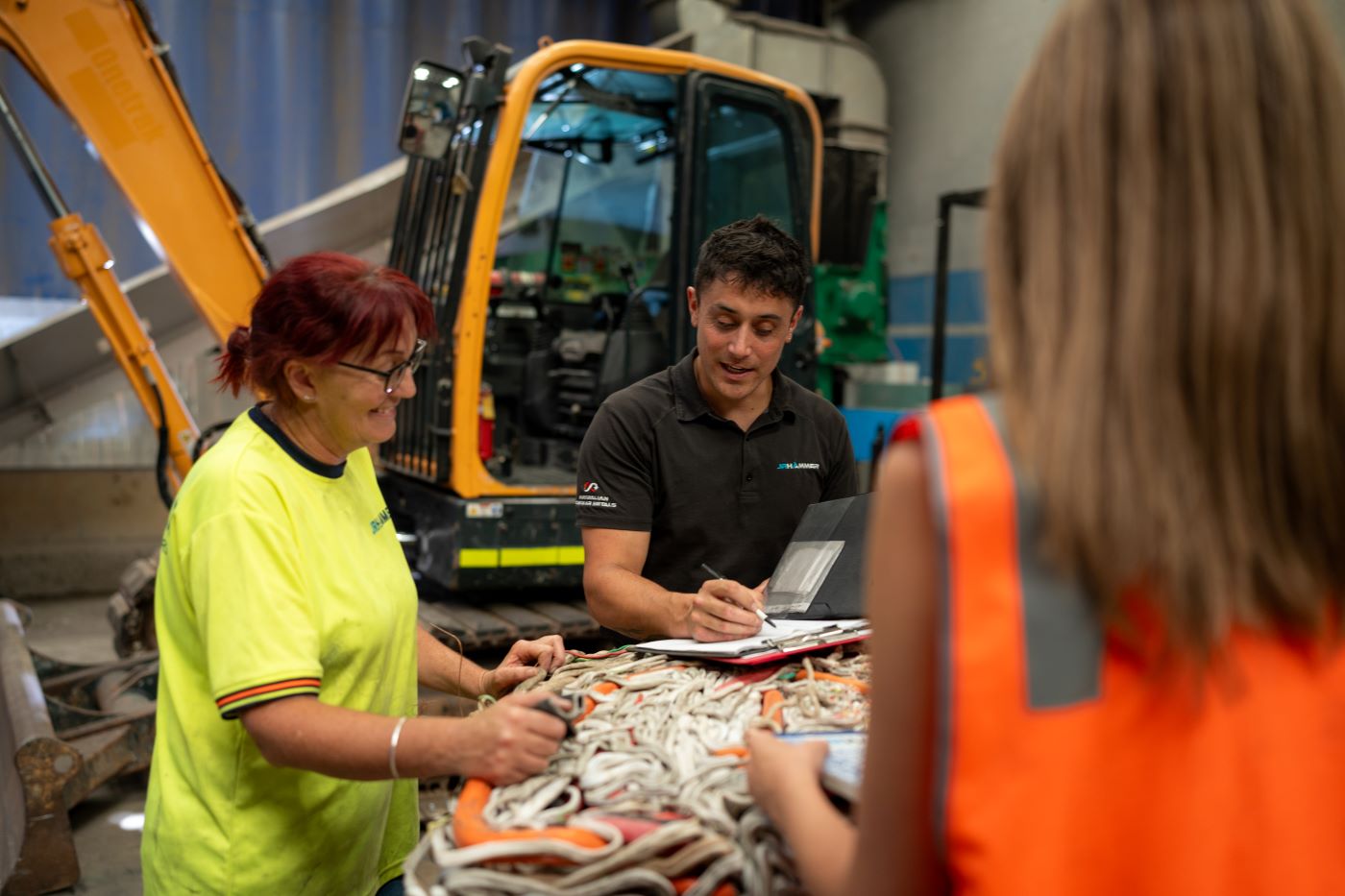
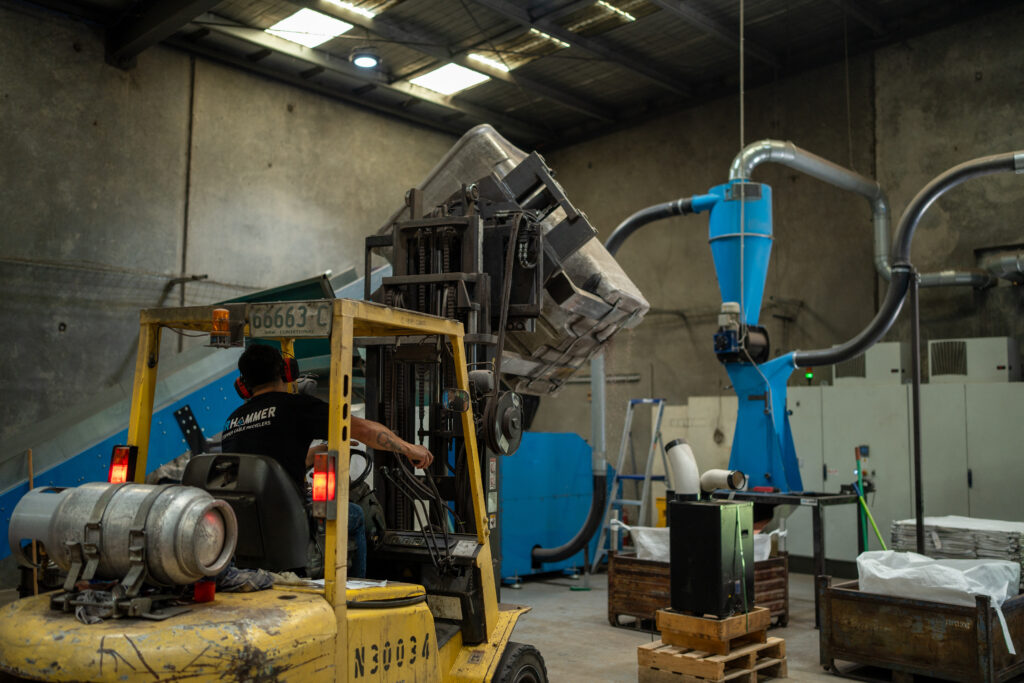
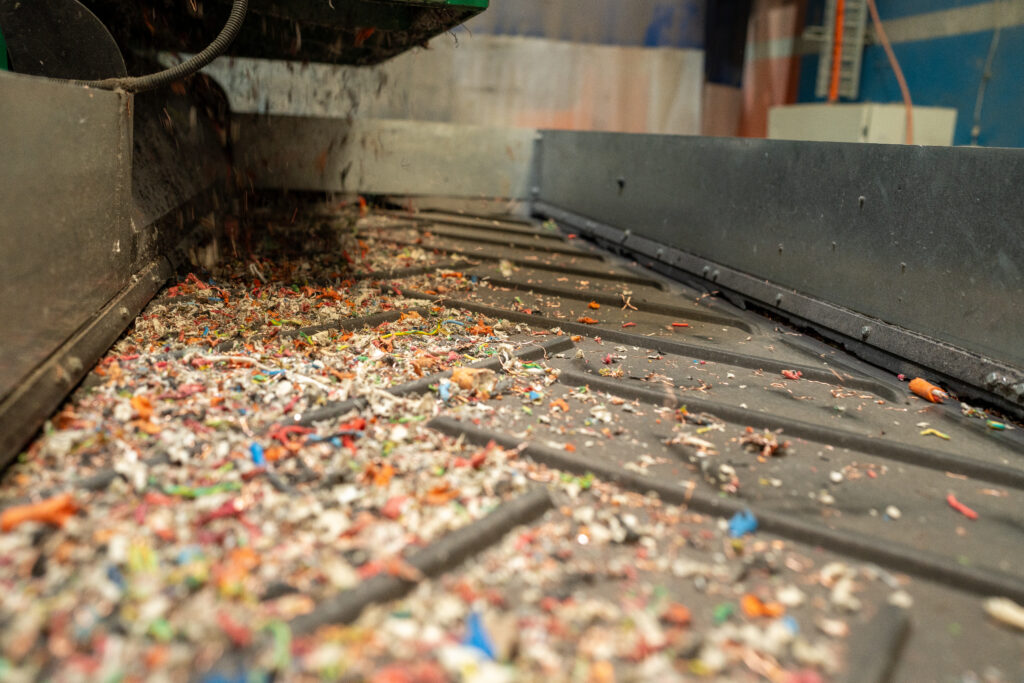
JR Hammer recovers all three with 90+% rates (double the industry standard). Our Melbourne facility processes 2.5 tonnes per hour using specialist European machinery, handling electrical, power, telecom, and automotive cables others reject.
This capability comes from years of development backed by government-funded research through CSIRO, RMIT, and the Vinyl Council of Australia under the “Round Like a Record: Vinyl and the Circular Economy” project – a Federal Government CRC-P grant endorsed by Industry Minister Ed Husic.
When government research bodies choose commercial partners, they’re betting on proven capability.
What This Means for Contractors
Through RecyCable at Lecky’s and Middy’s, electrical contractors drop cable offcuts and earn store credits. Full traceability supports ESG reporting. Green certificates improve tender applications.
Cable waste contains three valuable resources. Standard recycling captures two. We capture all three, with PVC becoming products like Gully Concrete. Nothing hits landfill, maximising returns through the circular economy.
The 2026 Deadline
Victoria’s Circular Economy Act and AASB S2 climate disclosure requirements hit in 2026. Contractors who position now have the advantage.
For decades, Australia has been landfilling PVC because standard technology can’t recycle it economically. That 2% rate isn’t improving without advanced processing that most operators just don’t have.
JR Hammer does.
Contact JR Hammer for a free cable waste audit. We’ll show you what’s actually recoverable from your offcuts.