What Demolition Companies Should Be Asking When Contracting a Cable Recycler
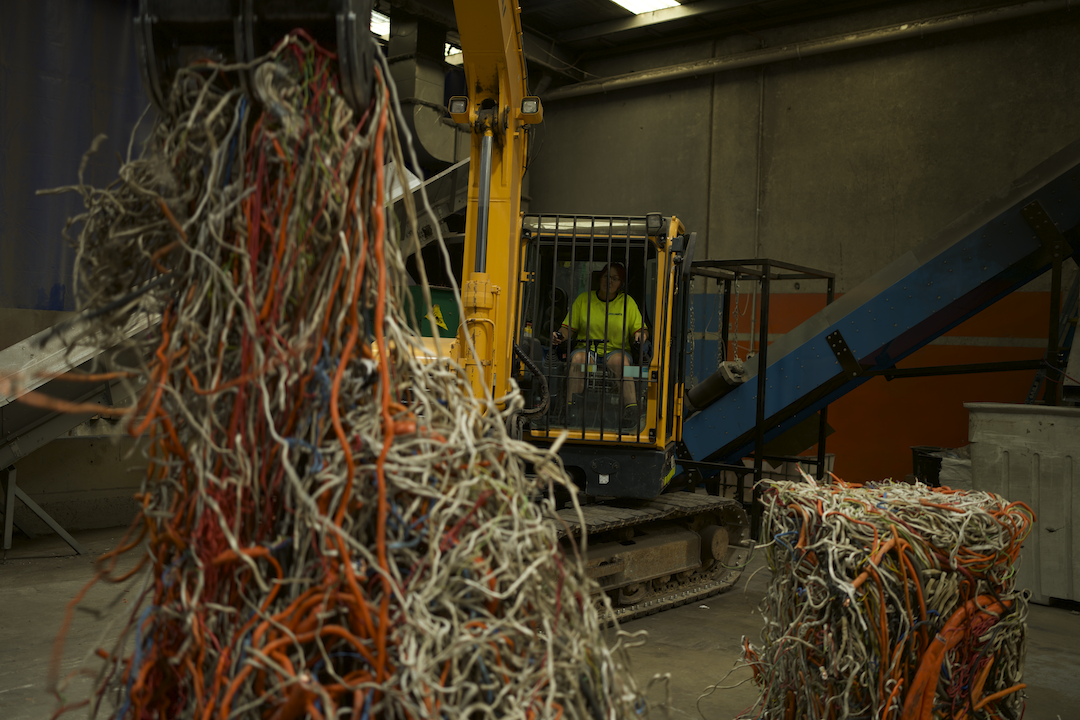
Demolition projects generate serious cable waste volumes. Mixed commercial wiring, industrial power cables, and contaminated offcuts create thousands of kilograms of material that needs moving – quickly and profitably.
Add in the fact that not all recyclers are created equal. Some operators strip copper and dump the rest while others promise competitive rates but can’t handle contaminated or mixed loads. A few are unlicensed, and in 2025, that’s become a compliance risk demolition companies can’t afford.
Smart cable recycling makes for smoother operations, gives proper documentation and the peace of mind that comes from avoiding compliance disasters – all with fair pay.
The Essential Questions to Ask Your Cable Recycler
Processing Capabilities
➤ What’s the actual recovery rate? If a recycler can’t provide a number, walk away. Industry standard hovers around 50% (half the material ends up in landfill). Advanced processors like JR Hammer hits over 90% recovery through mechanical separation technology that handles both metals and insulation.
➤ What happens to PVC and other insulation materials? Most scrap dealers strip the copper and aluminium, then bin everything else. That’s selective salvage, not recycling. Processing the whole cable should turn it into reusable materials instead of landfill tonnage.
➤ What happens to materials that can’t be processed? Higher recovery rates mean better value, and 90%+ material recovery versus 50% extracts nearly double the value from the same waste stream.
Operational Fit
Collection frequency and flexibility: Demolition timelines don’t wait for recyclers. Cable waste piling up on-site creates OH&S headaches and theft risks.
Minimum volume requirements: Some recyclers only touch bulk loads, which doesn’t work for companies managing multiple smaller sites.
Contamination tolerance: Can they handle mixed materials and damaged cables, or does everything need pre-sorting? That sorting requirement eats into crew time and adds hidden costs.
On-site sorting requirements: Understanding what prep work is needed upfront prevents surprises later.
Commercial Terms
Payment terms and pricing structure: Do they charge – per kilogram of material, per collection, or a combination? Per-kg rates should be competitive with scrap dealers.
Rate justification: If rates are significantly lower, ask why. If significantly higher, ask how they justify it.
Additional revenue opportunities: Green certificates strengthen ESG credentials and help win future projects where sustainability matters.
Compliance & Documentation
Certifications and documentation: Verifiable chain-of-custody records and waste tracking prove cable waste was processed legally and responsibly.
Facility licensing: In Victoria, waste processors need EPA permissions under the Environment Protection Act 2017. Operating without proper licensing is illegal and creates compliance exposure if authorities start asking questions.
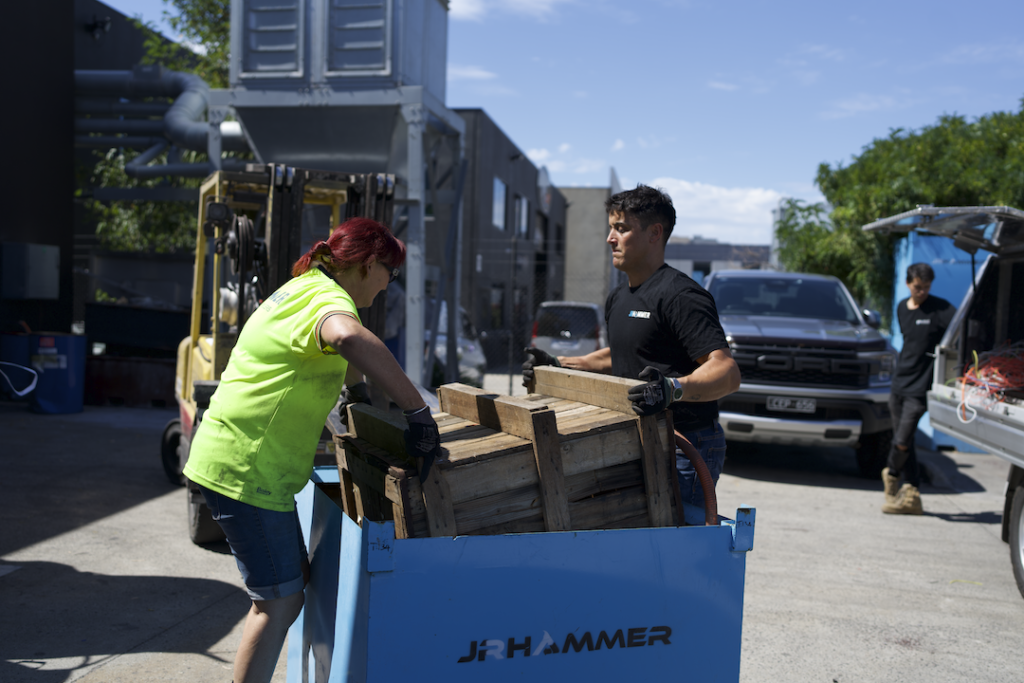
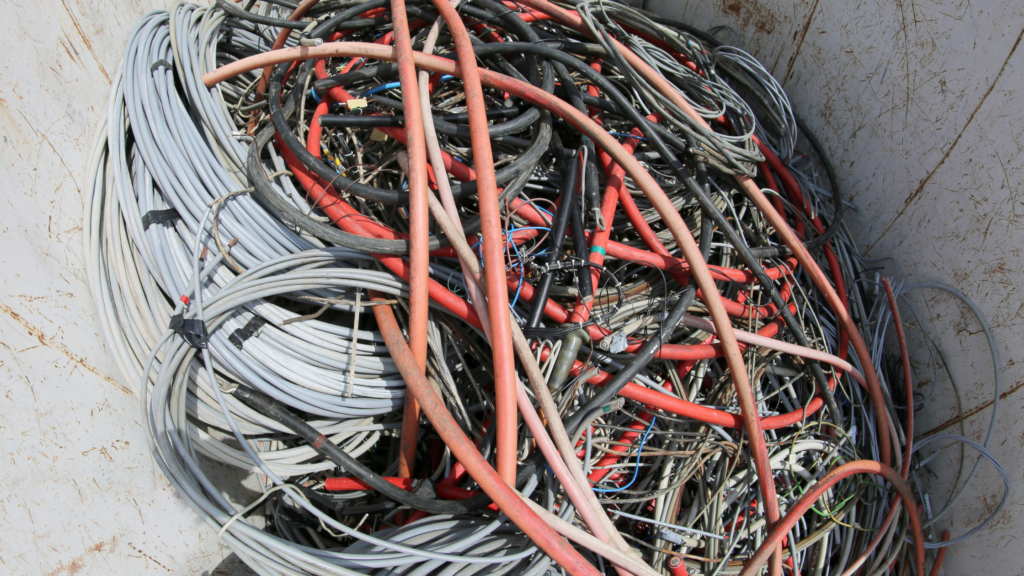
JR Hammer arranges flexible pickups from demolition sites to collect cable waste.
Red Flags: Spotting Cash-for-Scrap Operations
Copper theft is spiking across Australia. South Australia reported over 2,134 instances of scrap metal theft in 2023-24 alone, costing the construction industry more than $70 million annually.
South Australia passed its Scrap Metal Dealers Bill 2025, banning cash transactions and requiring ID verification for all scrap sales. NSW updated its Scrap Metal Industry Act with mandatory dealer registration and digital transaction portals. Victoria enforces cashless policies and full client records under its Second-Hand Dealers Act.
Watch for dealers offering “too good to be true” rates, often connected to black market networks. Cash-only transactions are now illegal in multiple states. Operators who can’t provide proper documentation or licensed facility proof are operating outside the law, creating exposure for anyone who works with them.
Chasing the absolute highest per-kg rate without checking credentials often means dealing with unlicensed dealers. When compliance officers come knocking, that extra dollar per kilo won’t cover the penalties, project delays, or reputational damage.
The Business Case for Smart Cable Recycling
Competitive pricing without compromise: the right recycling partner matches scrap dealer rates through transparent pricing with no hidden costs and surprises.
Operational efficiency: flexible scheduling from reputable dealers adapts to demolition timelines rather than forcing work around schedules that cause cable stockpiling and waiting.
ESG as a competitive advantage: meeting sustainability goals without sacrificing price or service quality translates directly to contract wins.
Smart cable recycling shouldn’t force a choice between fair payment and responsible practice. Both are achievable with the right partner.
Questions about cable recycling for demolition projects? Get site-specific pricing and answers. Contact JR Hammer today.