The Electrical Wholesaler Power Play: How Lecky’s and Middy’s Are Reshaping Contractor Behaviour
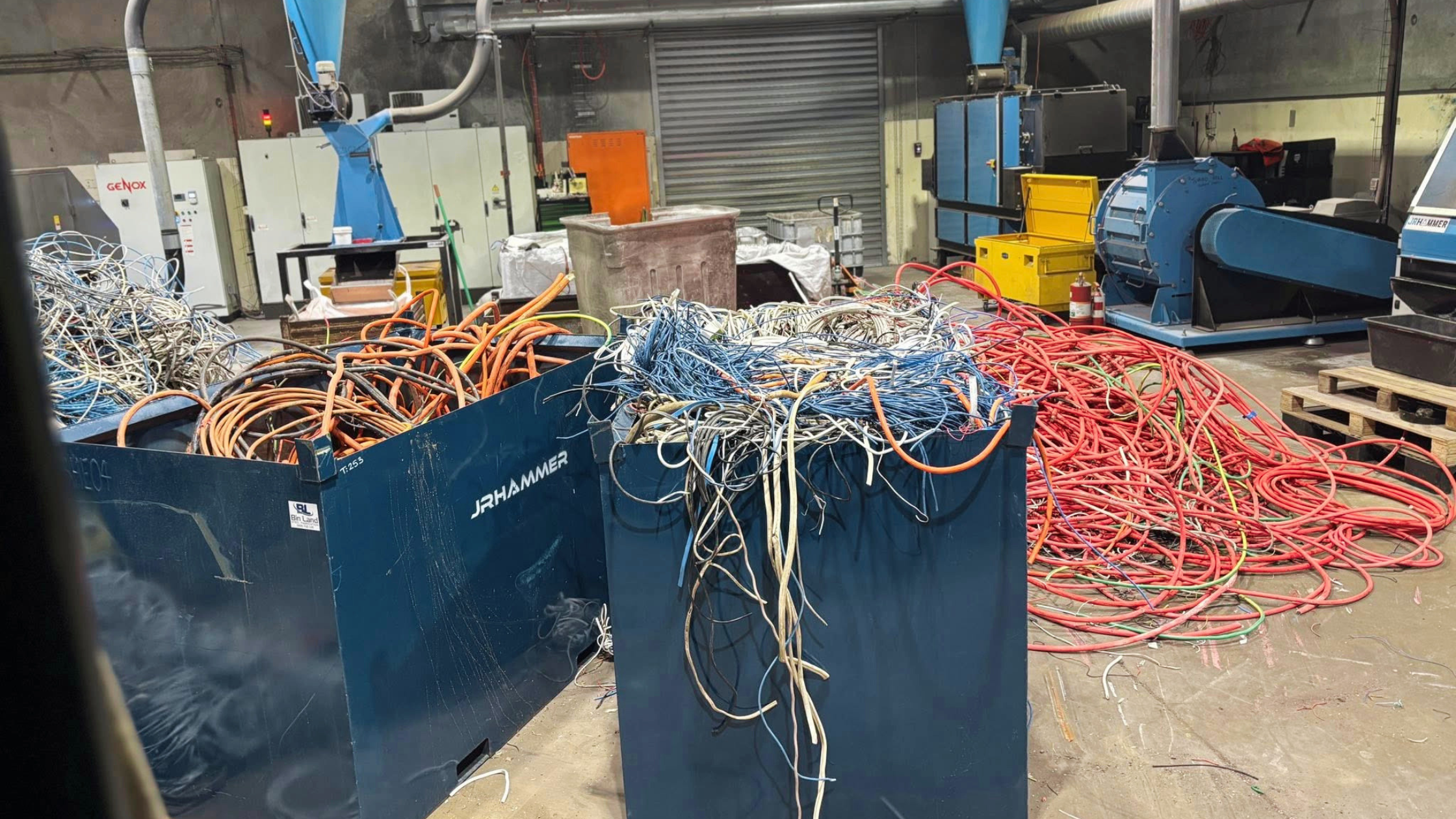
Copper. Aluminium. PVC. All recoverable, all valuable. More than half of the cables carrying these materials off a job site still end up in landfill. The default has been straightforward: drop cable waste at a scrap yard, take the cash, move on. No paperwork, no questions. Contractors had no strong reason to do anything differently.
That’s shifting – and it isn’t coming from a government mandate or a new recycling depot. It’s coming from the place contractors already buy their stock.
Through RecyCable, Lecky’s and Middy’s have moved beyond pure supply into active participants in how the industry manages cable waste. The result is behaviour change that regulation alone hasn’t managed to reach.
The wholesaler just became your recycling partner
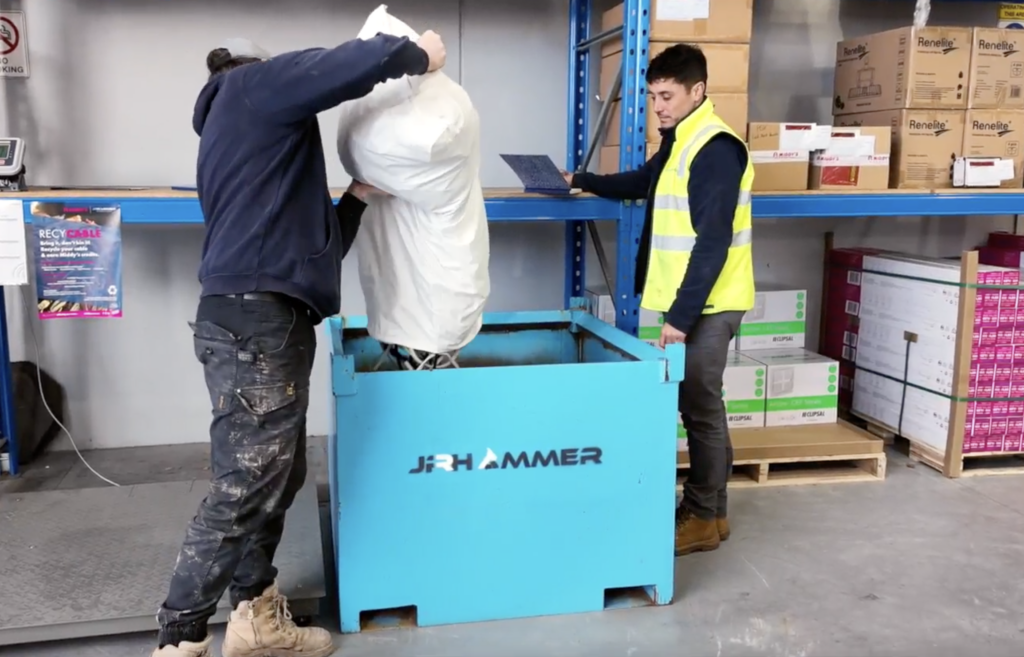
RecyCable works like this: contractors drop off cable waste at participating Lecky’s or Middy’s branches and receive store credits in return. JR Hammer processes the material, recovering 90%+ of what’s collected – metals and PVC – versus the sub-50% industry standard.
The wholesaler relationship is what makes the behaviour change easier to adopt. Standalone recycling service providers ask contractors to build a new habit around a business they’ve never dealt with. RecyCable asks for the same habit shift, but builds it on a commercial relationship that already exists. The trust is there. The account is there. The branch is already familiar.

Why store credits work when cash doesn’t
Cash for scrap has been the default for decades. It’s also often off the books, hard to verify, and a known driver of on-site theft. Contractor networks have been calling for tighter controls; security, not just sustainability, is pushing contractors to want a better system.
Store credits address both. They’re documented, traceable, and tied to a commercial relationship contractors already use. Credits land in a Lecky’s or Middy’s account – somewhere the value gets put back to work. That’s what turns a one-off drop-off into a repeat behaviour.
A model that cuts out the scrap merchant middleman
Traditional scrap merchants extract the copper, pocket the margin, and send the rest to landfill. That’s been the industry norm for years. RecyCable is built on a different model entirely.
Waste doesn’t disappear into a scrap merchant’s pocket – it comes back as store credit contractors use. JR Hammer recovers the materials and issues recycling certificates contractors can use for ESG reporting, compliance and tender submissions. Something no scrap yard provides.
For larger volumes, JR Hammer also offers scheduled collections and on-site bins, so the model isn’t limited to drop-off scale.
Same stop, smarter outcome
Drop-off points span Lecky’s and Middy’s networks across Melbourne and regional Victoria, with future expansion up the eastern seaboard planned. No new logistics. No separate relationship to manage. Contractors make the same stop – the outcome is just smarter.
Yes, it does ask for a behaviour change. Drop-off location switches from scrap yard to wholesaler. Payment preference shifts from cash to store credit. But both changes pay off commercially, and neither requires anything contractors aren’t already doing.
The industry is moving this way regardless
The Australian Cable Initiative is building the compliance the electrical industry will eventually be required to meet. Industry bodies don’t move fast – but when standards do tighten, the contractors and wholesalers already operating inside that framework won’t be scrambling.
RecyCable is aligned with where the ACI is heading on cable traceability and recovery accountability. That’s not a coincidence but smart positioning.
Your cable waste has value – and your wholesaler is the smartest place to return it. Drop off at Lecky’s or Middy’s, earn store credit, and let JR Hammer’s RecyCable program do the rest.