How Solar and Wind Farms Can Generate Value from Cable Recycling
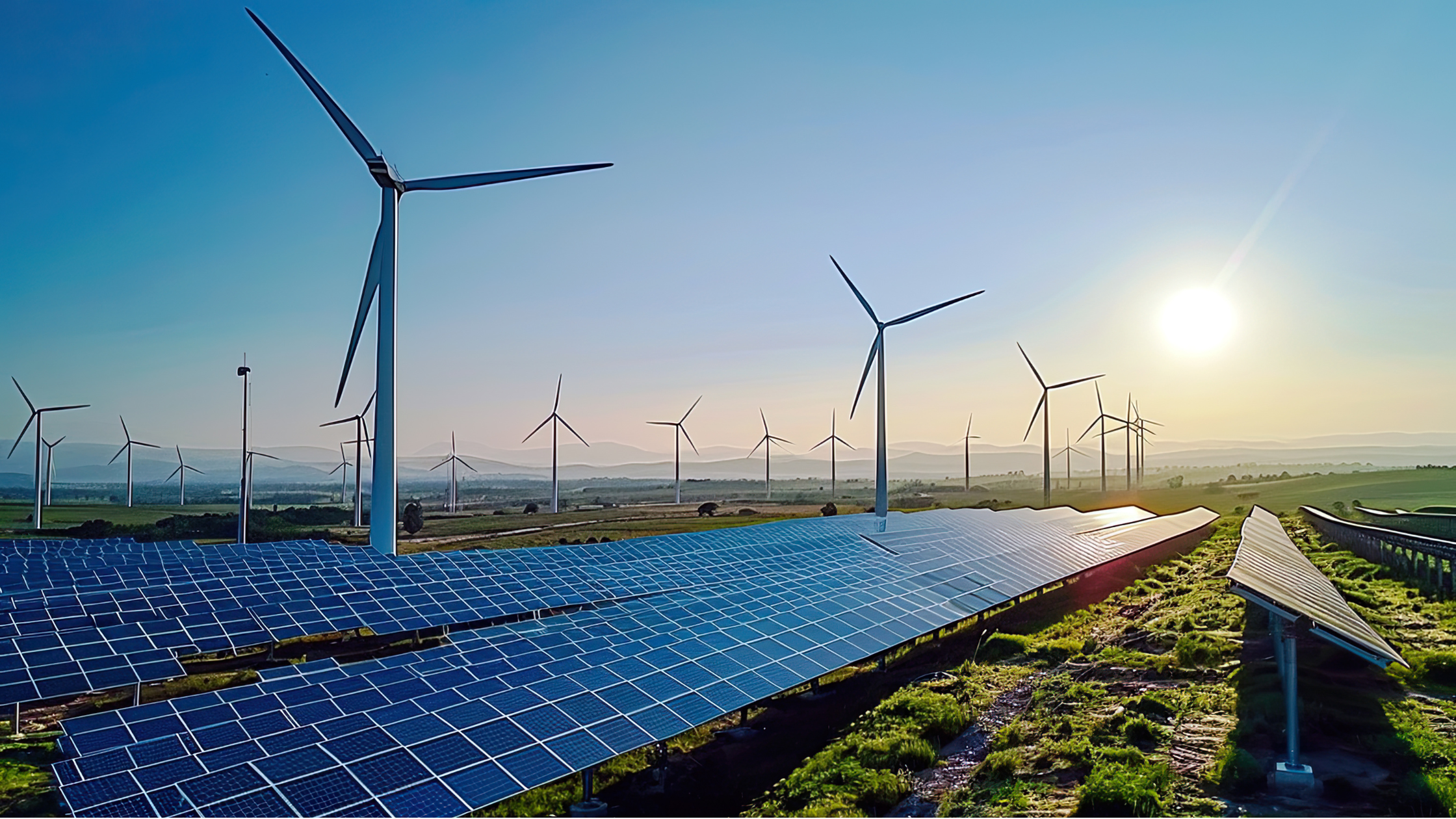
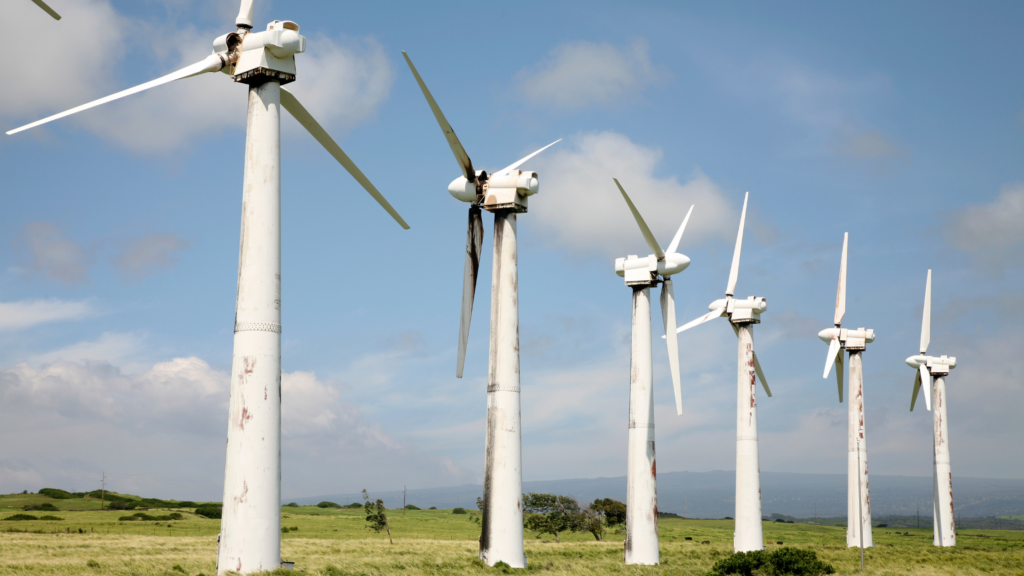
Australia’s renewable energy sector is entering a different kind of conversation. The country’s first utility-scale solar farms, built between 2008 and 2012, will start reaching decommissioning age from 2028. In 2023, 31 Australian wind farms with 599 turbines were already over 15 years old. Wind turbines last 18 to 25 years, and many sites are being repowered well before end of life, pulling that volume forward again.
Panels and blades dominate the end-of-life discussion. Operators recover the metal from decommissioning cable – that part is standard. What’s less common is recovering the full cable, polymer included.
How much copper sits inside these sites
Solar PV systems use 2.8 to 4.8 tonnes of copper per megawatt across wiring and power conversion equipment (i.e. DC string cable connecting panels to inverters, AC collection cable running to transformers, and earthing cable throughout the site). Wind systems use 2.5 to 6.4 tonnes per megawatt, distributed across power cable from each turbine back to the substation, internal tower wiring, and grounding networks.
NSW decommissioning assessments for sites like West Wyalong and Daisy Hill list underground cabling and earthing as recoverable waste streams alongside panels, inverters, and scrap metal. That’s starting to change, but cable-specific recovery planning is still uncommon in most decommissioning assessments.
Where recoverable value gets missed
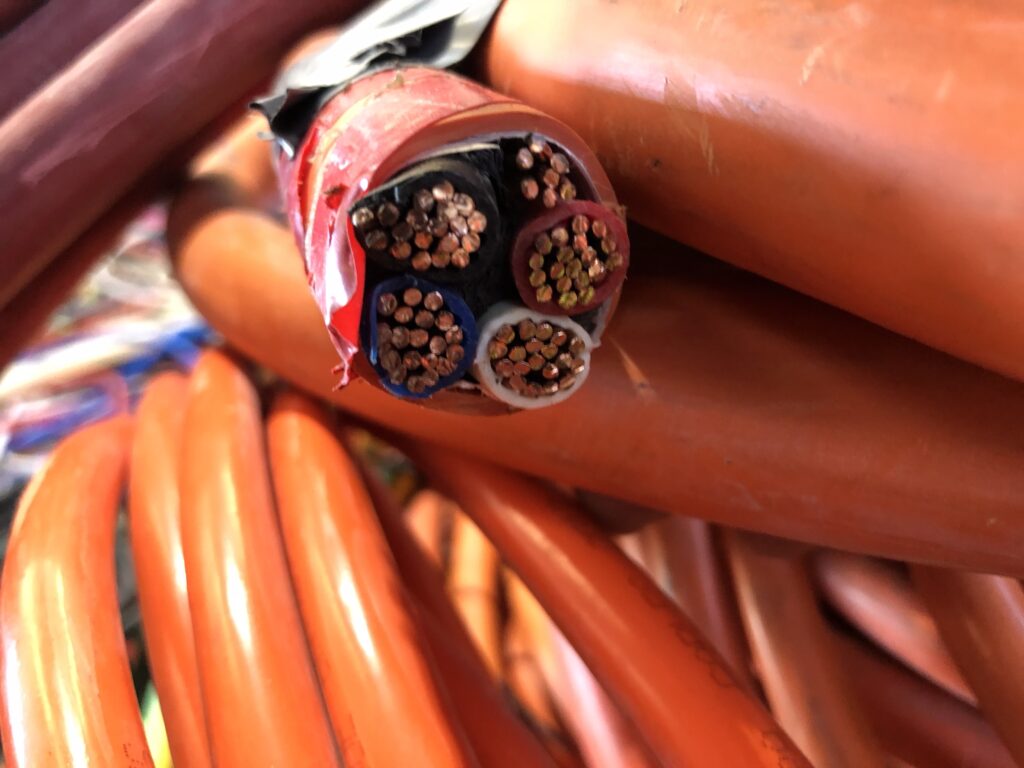
When cable comes off a decommissioning or repowering site, the common pathway is a scrap merchant who recovers the conductor metal and landfills the polymer insulation. Older wind turbines contain particularly high volumes of plastic insulation that conventional recyclers struggle with.
That’s partial recovery. You get paid for the metal. You don’t get paid for the polymer, which is a significant portion of the cable by weight.
Even where cable goes to a traditional recycler, some of the polymer insulation that gets stripped off still ends up in landfill and the levy on that waste is $177.19/tonne as of July 2026.
Repowering adds volume. Old cabling comes out, new cabling goes in, but the removed cable still needs a recovery pathway. These projects run on tighter schedules because the site needs to get back online, which makes choosing the right processing partner upfront more important.
The regulatory picture is shifting
NSW introduced a new Bill in 2026 imposing decommissioning and security obligations on solar and wind projects. The CEC and Queensland Renewable Energy Council released a Decommissioning Security Framework in October 2025 – the first nationally coordinated model for financial assurance of decommissioning. That framework calculates net decommissioning costs after deducting salvage value of components. Cabling is explicitly included.
Offshore wind adds to this; when those projects reach end of life, cable removal from the seabed and site restoration are regulatory requirements, not optional.
Operators will increasingly need to account for what happened to every material stream that left a site, along with the documentation to prove it.
A different pathway for the same cable
JR Hammer processes the entire cable, including conductor metals and polymers, with recovery rates above 90% and comprehensive documentation for ESG reporting and decommissioning compliance. Processing is done locally in Melbourne. Mixed, contaminated, and commingled cable is accepted.
The question worth asking any processor handling cable from a decommissioned site: can you prove what happened to the polymer insulation?
For operators and EPC contractors managing multiple sites, JR Hammer’s referral program offers trailing commissions per kilo over 12 months.
Across a portfolio of decommissioning or repowering projects, the value of having a full-cable processing partner compounds.
Cable from decommissioned and repowered renewable energy sites has real value. How much of that value comes back depends on whether the whole cable is being recovered – or just the metal.
Book a free waste audit to find out what your cable is worth.
Further reading
The Hidden Costs of Cable Disposal: What Demolition Operators Are Losing
What Happens to Cables When 5G Rollout Meets End-of-Life 3G/4G Infrastructure?
What Happens to Your Cables When You ‘Recycle’ Them?
Case Study: How Proelec Turned Cable Waste into Winning Tenders
What Demolition Companies Should Be Asking When Contracting a Cable Recycler
Why Only 2% of Australia’s PVC Gets Recycled (And What We’re Doing About It)