What Happens to Your Cables When You ‘Recycle’ Them?
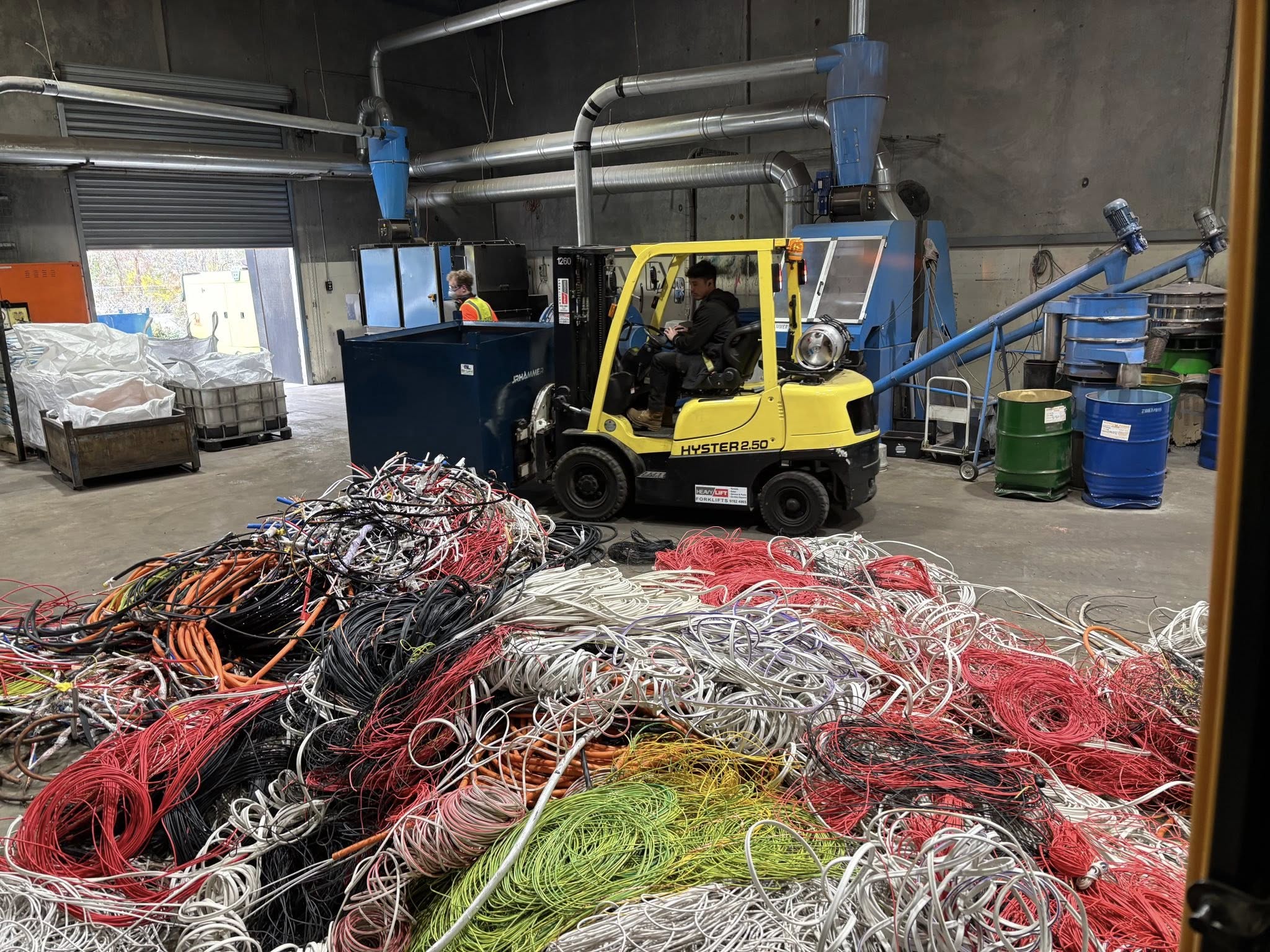
When cables leave site, most businesses assume the job is done. They handed it over – that’s someone else’s problem now. But handed over to whom, processed how, and verified by what?
“Recycled” is doing a lot of work in this industry. It can mean metals recovered and material returned to the supply chain. It can also mean collected, partially processed, and the rest quietly landfilled. The word doesn’t distinguish between the two.
Cables aren’t a single material – and most recyclers treat them that way
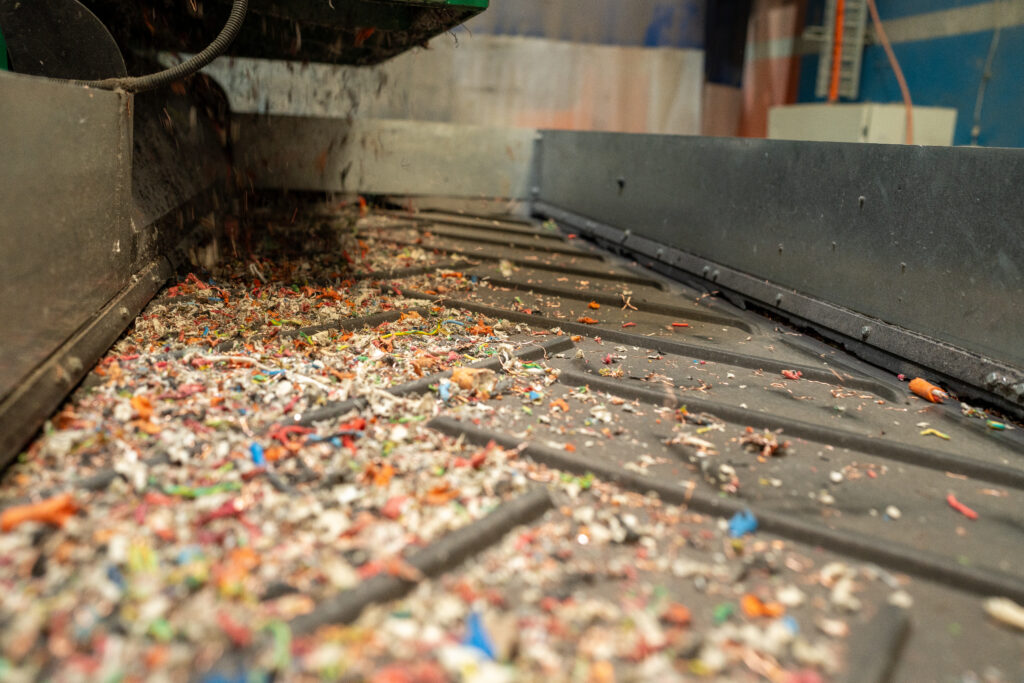
A standard electrical cable contains copper or aluminium conductor, bedding, and PVC insulation. Each component requires different processing. Most recyclers recover the metal. The PVC sheathing is another matter.
CSIRO research points to PVC’s chemical complexity as one of the core barriers – thousands of formulations, varied additive packages – making large-scale recycling technically and economically difficult without specialist capability. So, the insulation that wraps every cable on every job often doesn’t get recovered at all.
Once material moves through multiple handlers post-collection, chain of custody becomes inconsistent. Documentation reflects what was collected at each handover point – not what was ultimately recovered or where it ended up.
Where it actually goes
Australia’s plastics recovery rate sits around 12–13%, and PVC cable insulation is part of that collective problem. Industry estimates put PVC going to landfill annually at 50,000–70,000 tonnes (2-3%) – despite much of it being classified as “diverted” earlier in the chain.
Australia’s Waste[d] Opportunity 2025 benchmarking report puts a harder number on it. Across 142 construction projects claiming 90%+ landfill diversion, some material recovery rates dropped as low as 14%. What gets reported and what gets recovered are two very different things, and reporting rarely closes that distance.
The same dynamic played out globally when China’s National Sword policy exposed how much material classified as “recycled” was being exported rather than processed. We covered that story here.
The governance problem
Recycling certificates that document collection rather than verified recovery won’t hold up to audit scrutiny – and scrutiny is increasing. The Waste[d] Opportunity report is direct: current reporting doesn’t differentiate between downcycled, recycled, and reused outcomes.
Cable waste also moves through less tightly tracked pathways than controlled waste streams. What arrives at a processor isn’t always what gets reported back – most documentation confirms collection, not recovery rate, downstream destination, or what happened to the non-metal components.
Most businesses assume that using a compliant recycler closes the loop. It confirms legal handling, not actual recovery. Where cable waste ends up, and the value in it, is where reporting quietly goes silent.
What accountability actually looks like
For projects with ESG obligations, the measure has shifted – away from whether cables were recycled, toward whether their destination can be proven. That requires documented chain of custody across every handler, verified recovery rates for both metal and non-metal components, and reporting that holds up under audit.
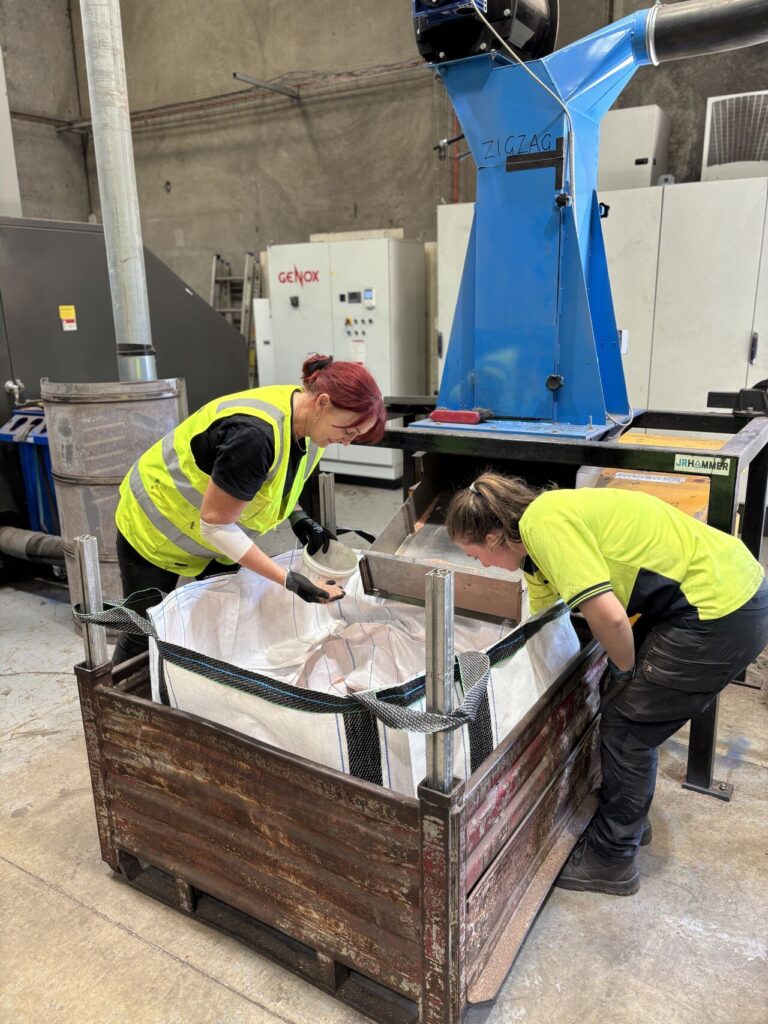
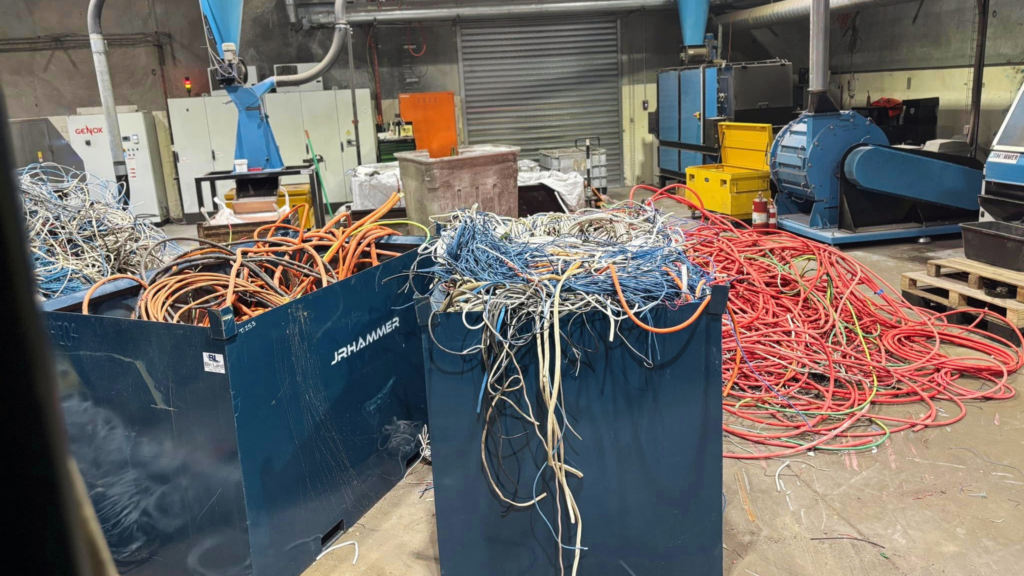
At JR Hammer, 90%+ recovery means the conductor and the insulation – copper and PVC – are both recovered Every job comes with traceable documentation built for ESG reporting and tender submissions. That’s the difference between saying cables were recycled and being able to prove it.
Cable waste doesn’t stop being your responsibility the moment it leaves site. The question worth asking any recycler is simple: can you prove what happened to it? The ones who can answer with documentation – not just assurances – are the ones worth talking to.
Further reading
The Electrical Wholesaler Power Play: How Lecky’s and Middy’s Are Reshaping Contractor Behaviour
Case Study: How Proelec Turned Cable Waste into Winning Tenders
What Demolition Companies Should Be Asking When Contracting a Cable Recycler
Why Only 2% of Australia’s PVC Gets Recycled (And What We’re Doing About It)
How Albury City Council Found a Smart and Sustainable Way to Recycle Cables