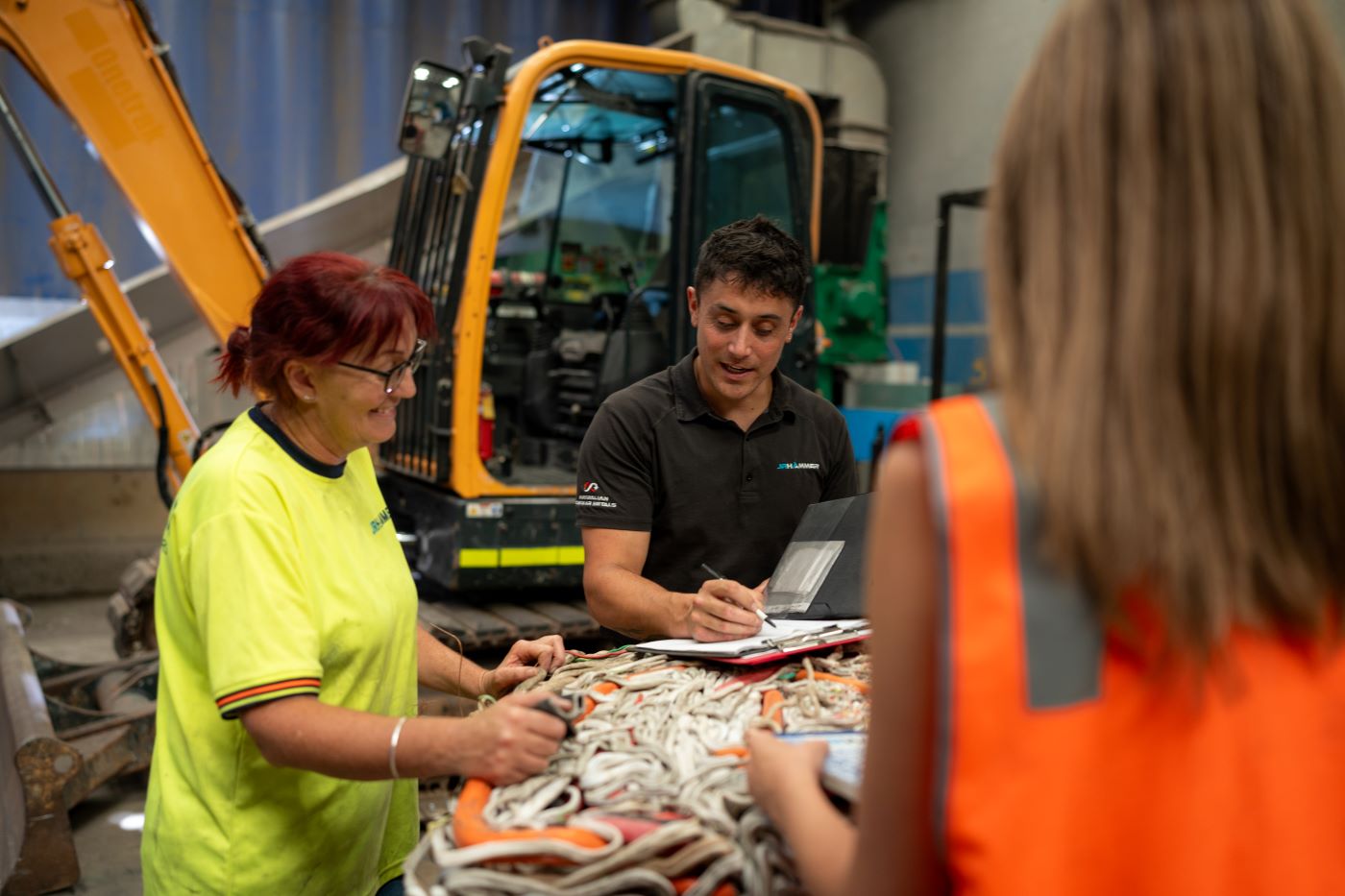
Telecom Cable at Scale: Where the Recycling Process Breaks Down
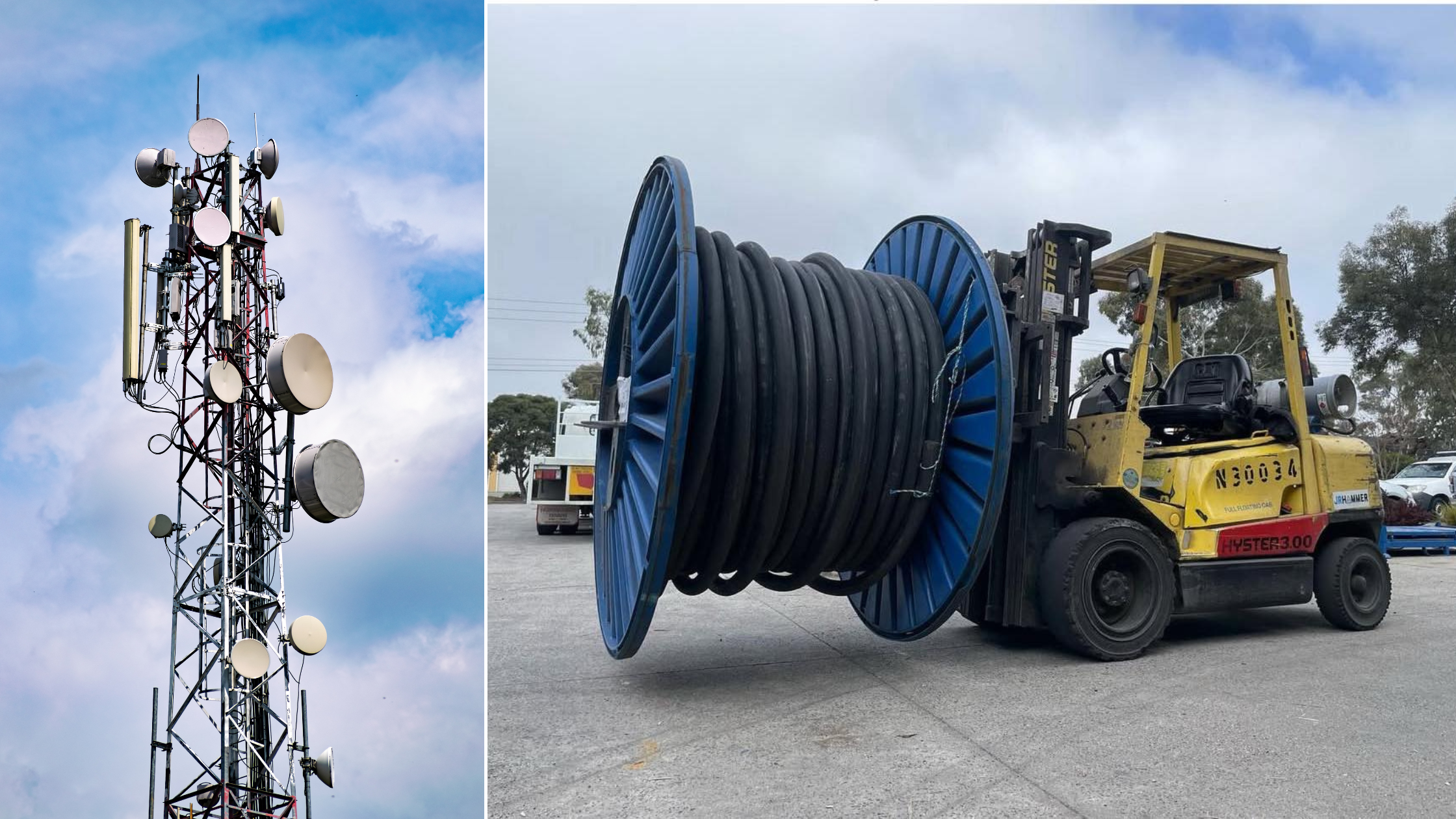
Australia’s 3G networks are closed. Cable waste still comes from ongoing maintenance, private network decommissioning, and data centre upgrades – but two programmes are generating it at a different scale: the 4G-to-5G tower upgrades underway across 26,365+ sites nationally, and NBN’s $3 billion+ FTTN programme forcing copper out of the fixed-line network.
Telstra has contracted its copper cable recovery programme, valued at $40 million, to a dedicated supplier. Optus legacy decommissioning is already contracted out – including hardline cable extraction, LPS removal, service drop decommissioning. The cable is coming off these sites. What happens next depends on who processes it and how.
Telecom cable is not regular scrap
A telecom cable is multi-layered. Copper or aluminium conductor bonded to PVC insulation, often with steel armouring, bedding layers, and fibre optic components wrapped in. Getting clean separation between those materials requires mechanical granulation – equipment and processes built specifically for cable, not general scrap.
Manual stripping is uneconomical at volume. On thick underground and armoured cable, labour cost exceeds the scrap value of the metal inside. Cheap shredding is faster, but it produces a mixed copper-plastic granulate – contaminated and hard to sell. Oxidised copper from poor processing requires additional smelting and electrolysis before it can be reused.
Older telecom cable also contains lead-based stabilisers and flame retardants in the PVC sheath, which require controlled handling. Across all sectors, Australia’s PVC recovery rate sits at 1.9% as of 2022 (Vinyl Council of Australia figures). The vast majority goes to landfill.
Thermal pyrolysis – heating cable to burn off PVC and expose the metal – is used in some international markets as a processing shortcut. When PVC is heated in the presence of copper conductor, it produces toxic by-products including hydrogen chloride and dioxins. Those compounds contaminate the surrounding air and soil, and the residual ash still requires hazardous waste disposal. The metal gets recovered, but the environmental cost of getting there undermines the point of recycling it in the first place.
Heavy, bulky cable reels from remote tower sites and buried trenches can also cost more to move than the scrap value justifies for a general dealer – particularly across regional decommissioning programmes covering hundreds of sites.
How JR Hammer recovers the whole cable
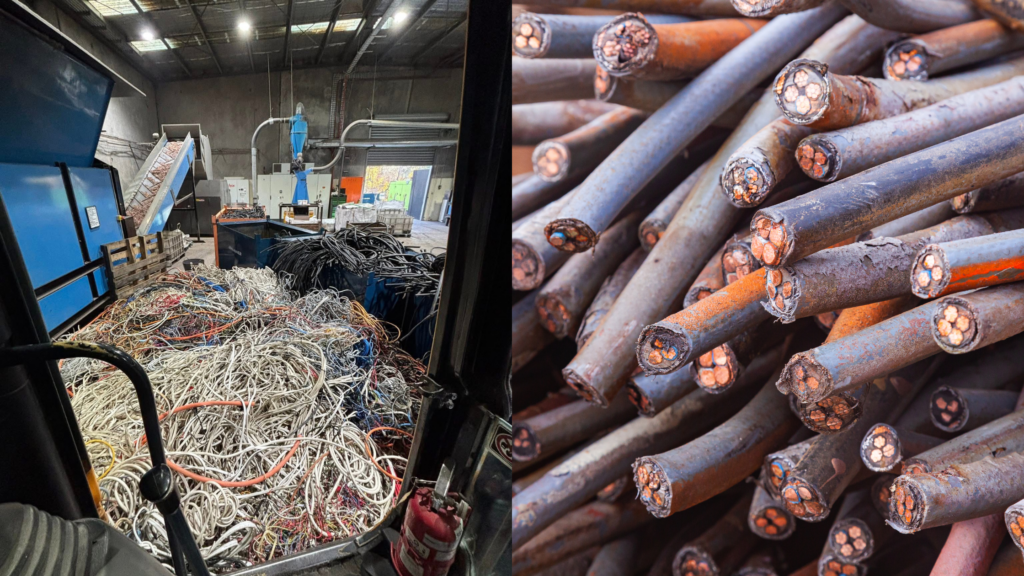
JR Hammer uses a three-step mechanical process: size reduce to liberate the copper from the PVC, gravity and air separation to sort the materials, then screen for particle size. No burning, chemical treatment, and toxic emissions. The output is clean, separated copper and PVC fractions – both recovered as usable materials.
The company recovers 90%+ of the total cable this way – both metals and polymer, not just the conductor. The PVC is kept out of landfill and recovered as a material stream in its own right.
Sensor-based sorting and imaging technology separates multiple metal streams – improving revenue from higher purity metals. The same technology separates different polymer streams, enhancing downstream recycling outcomes. Mechanical processing with built-in quality control is where the industry is heading.
Every job through JR Hammer comes with traceable documentation – built for ESG reporting, tender submissions, and audit requirements. Everything is processed locally in Melbourne, with commingled and contaminated cables accepted.
Why the relationship between recycler and contractor matters
Standard scrap collection is reactive. Cable comes off a tower site, gets handed to a subcontractor, passes through an aggregator, and reaches a processor. By that point, nobody can produce a clear record of what was recovered versus what was landfilled along the way.
Sofrecom, an Orange subsidiary advising telcos on copper decommissioning, frames the process as requiring full traceability from cable removal to recycling facility – with structured supplier frameworks to manage operational risk and prevent metal theft. PICS Telecom takes a similar position: decommissioning should be a controlled, measurable process with documented recovery outcomes – not a task passed along without visibility.
When you’re managing cable volumes across hundreds of sites, the recycler and the removal contractor need to work together from the start with agreed recovery targets, traceable documentation, and a processing method that accounts for the full cable – not just the metal.
For contractors and project managers who refer decommissioning work, The Referral Loop programme recognises that.
The cable coming off Australia’s telecom networks is worth recovering in full. Talk to JRH about your next decommissioning project.
Further reading
The Hidden Costs of Cable Disposal: What Demolition Operators Are Losing
What Happens to Cables When 5G Rollout Meets End-of-Life 3G/4G Infrastructure?
What Happens to Your Cables When You ‘Recycle’ Them?
The Electrical Wholesaler Power Play: How Lecky’s and Middy’s Are Reshaping Contractor Behaviour
Case Study: How Proelec Turned Cable Waste into Winning Tenders
What Demolition Companies Should Be Asking When Contracting a Cable Recycler
Why Only 2% of Australia’s PVC Gets Recycled (And What We’re Doing About It)