Turning Cable Waste Into Project Working Capital
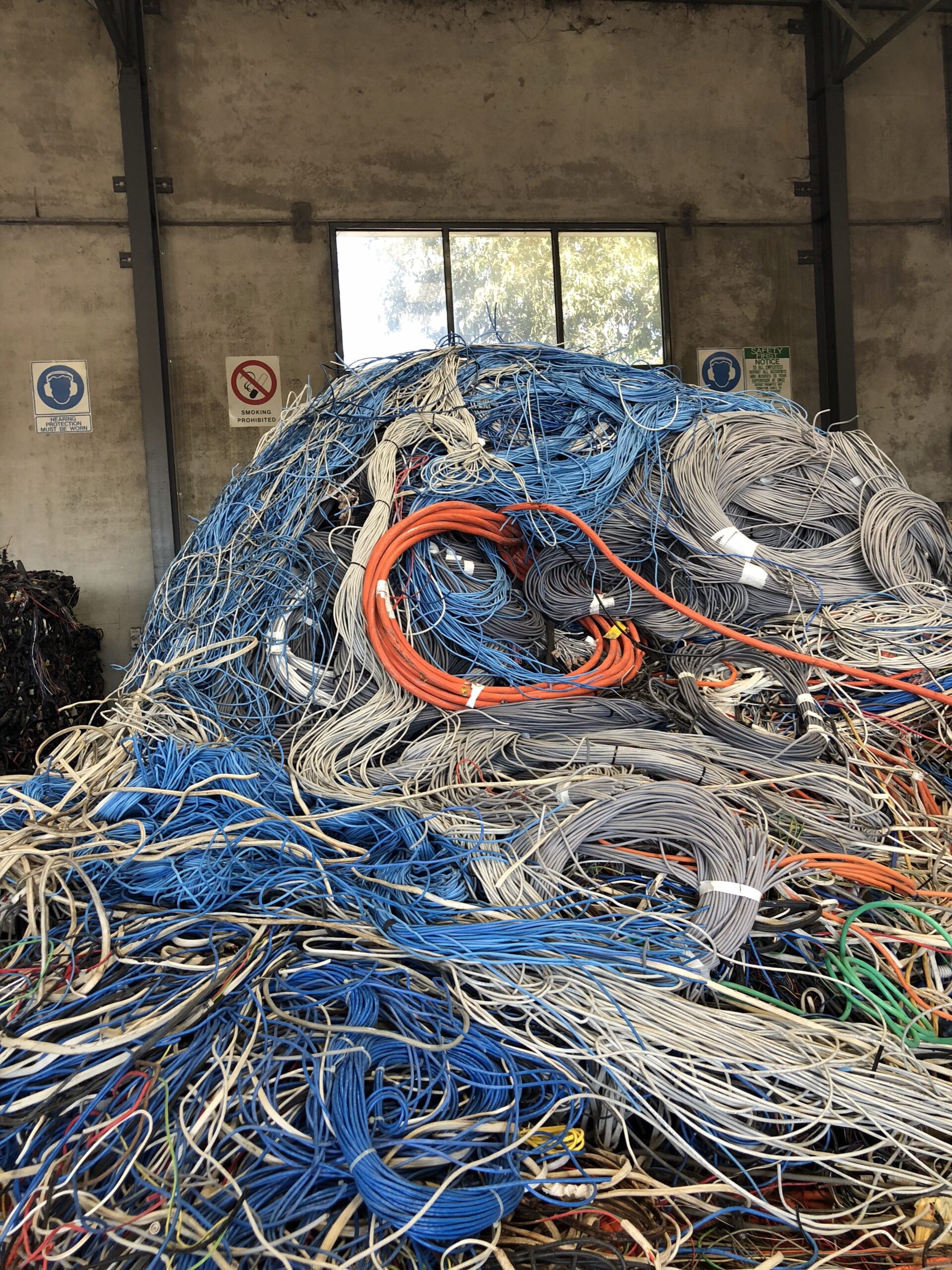
Every cable job starts with an outlay. Materials go on trade credit or come out of pocket before the first invoice lands. Payment follows milestones, or it follows project completion. Either way, the contractor is spending before they’re earning.
That squeeze is common across the industry. The Access Group, citing CreditorWatch data, reports that 11.6% of small construction businesses have payments owing more than 60 days overdue. Around one in four construction companies that fail nationally sit in the sector, per ASIC’s latest insolvency data. Roughly 24% of firms with ATO debts above $100,000 are construction businesses too. Fixed-price contracts locked in against rising supply costs make the pressure worse.
Cable waste sits in the middle of that, and most contractors aren’t getting the full return. They’re recovering some material, but they’re not looking at how to recycle sustainably or recover the whole cable.
The value contractors aren’t seeing
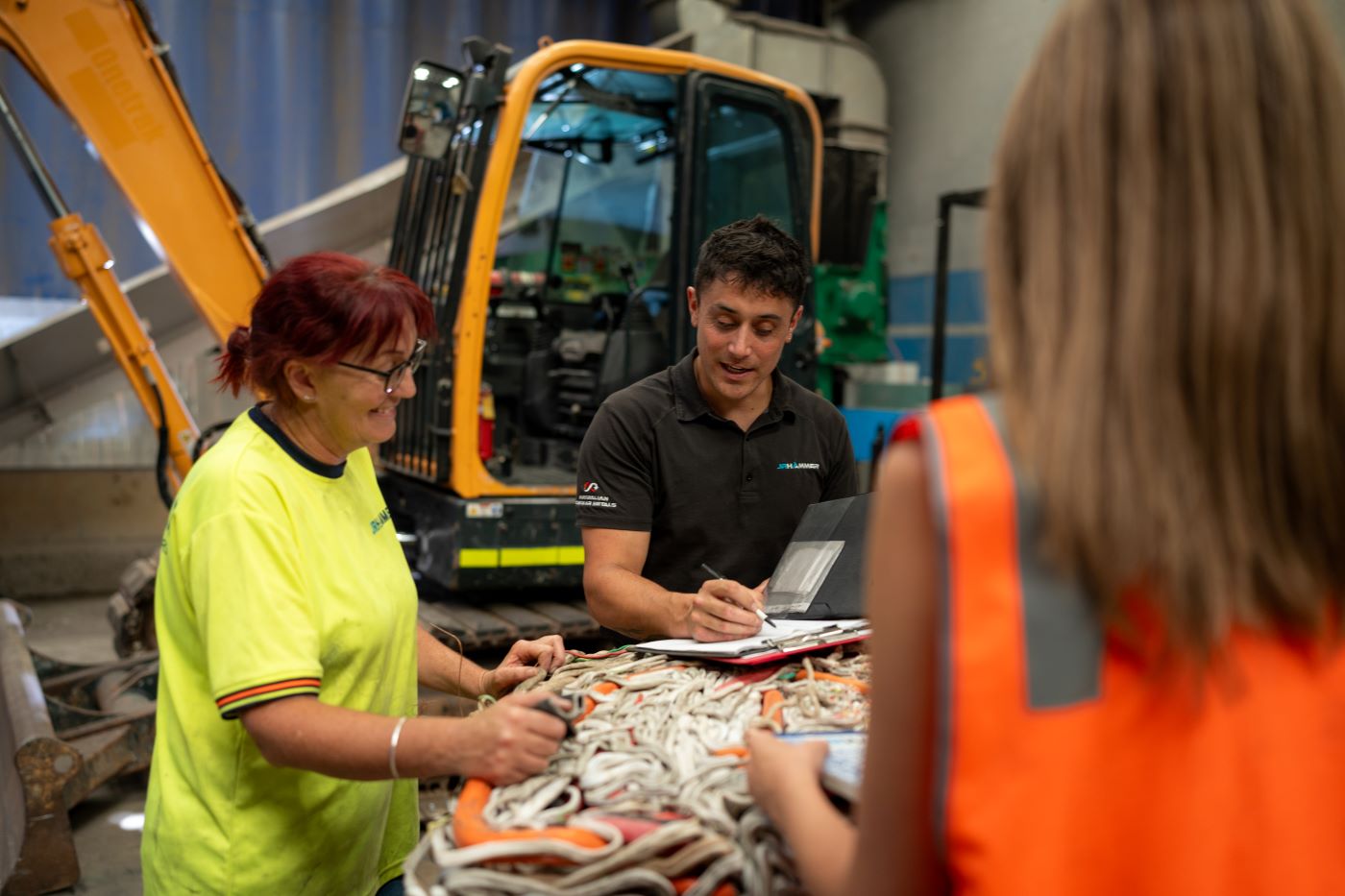
On a recent pulse check on collection, a plumber walked away with significantly more than he’d expected from a half-tonne cable pickup. But when the JR Hammer team asked a few more questions, it was clear he had no real idea what his scrap was worth: no sense of the per-kg rate, no certainty about the actual weight of what he’d handed over, and no idea what the market was doing at the time.
He’s not unusual. Most contractors recover some value from cable waste, but few know whether they’re getting a fair return.
Copper demand isn’t softening. Australia’s copper export earnings are forecast to grow from $14.6 billion to $18.3 billion by 2030-31 (Resources and Energy Quarterly, June 2026). Cable waste sitting on site or piling up in the shed carries a market value that moves with copper pricing, and it’s recoverable mid-project, not just at the end.
For sole traders, that might mean a quarterly visit to the scrapyard. For project-based contractors running larger jobs, the volumes are bigger, and the opportunity to recover value during the project is real. JR Hammer offers regular site collections and on-site bins, so cable waste doesn’t pile up waiting for a scrapyard run.
Two pathways to recover it
JR Hammer offers two ways for contractors to turn cable waste into working capital.
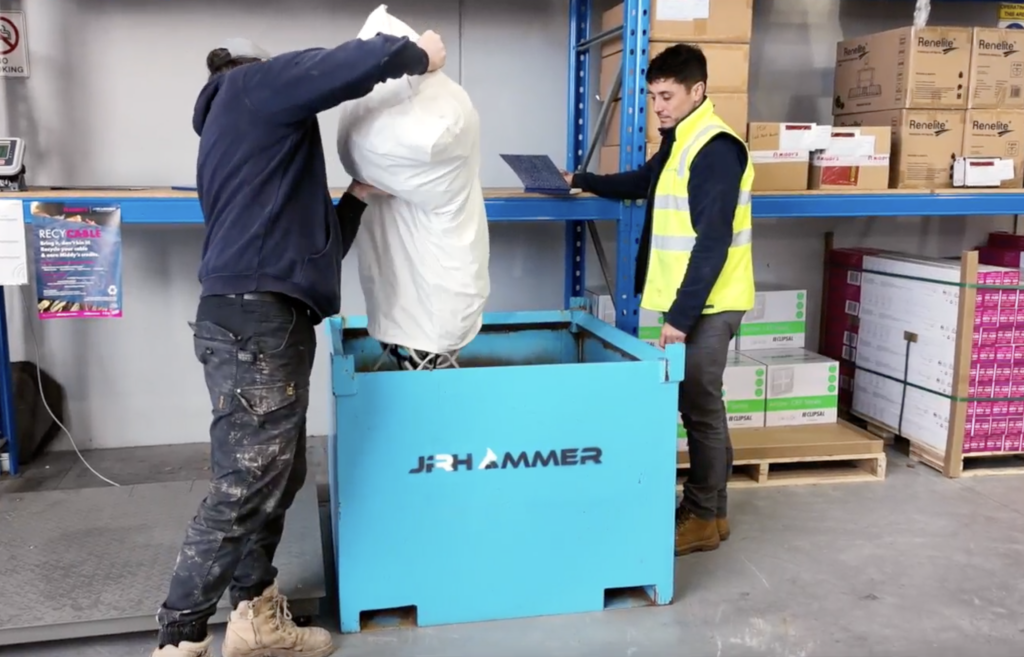
RecyCable is JR Hammer’s program with electrical wholesalers. Contractors bring in recyclable cable waste and receive store credits that go straight toward their next materials purchase. Full paper trail and documentation are built in. See participating Lecky’s and Middy’s branches for details.
JR Hammer also offers direct drop-off at their Thomastown facility. For larger or ongoing volumes, flexible on-site collections with bins provided are available too. Value recovered is credited to the contractor’s account based on verified weight and current market rates.
JR Hammer recovers 90%+ of total cable material, copper and polymer combined, with a competitive price beat guarantee.


A second revenue stream on top
The Referral Loop is a separate program. Contractors who refer other networks to JR Hammer earn a per-kilogram commission on cable waste generated by the referred client. Commission is paid via bank transfer, with trailing commissions continuing for 12 months from the referred client’s first collection, per JR Hammer’s programme terms.
For a project manager coordinating multiple subbies, each generating cable waste and each eligible for The Referral Loop, the cumulative value over a year adds up. Project-based contractors already treat cable recovery as a revenue stream tied to project work.
Building it into project economics
Cable waste recovery works best when it’s part of project planning from the start, not treated as a cleanup task after handover. JR Hammer offers a free waste audit to help contractors understand what their cable waste is worth. The audit also reviews how cable waste is currently managed on site and where that process can be tightened to save time and recover more value.
Book a free waste audit here.
Further reading
Telecom Cable at Scale: Where the Recycling Process Breaks Down
The Hidden Costs of Cable Disposal: What Demolition Operators Are Losing
What Happens to Cables When 5G Rollout Meets End-of-Life 3G/4G Infrastructure?
What Happens to Your Cables When You ‘Recycle’ Them?
The Electrical Wholesaler Power Play: How Lecky’s and Middy’s Are Reshaping Contractor Behaviour
Case Study: How Proelec Turned Cable Waste into Winning Tenders
What Demolition Companies Should Be Asking When Contracting a Cable Recycler